Kibale National Park: Facts, Location, Animals + Activities.
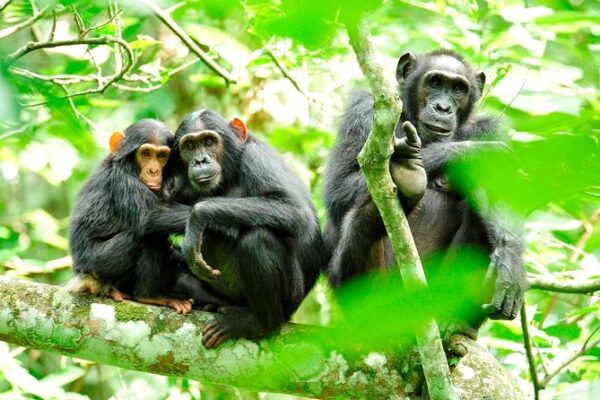
Kibale National Park is Uganda’s primate paradise, a lush forest reserve that delivers some of East Africa’s best chimpanzee experiences. Best known for its remarkable primate diversity, the park is home to 13 primate species, including Uganda’s largest population of chimpanzees. The Kanyanchu Primate Walk is its signature experience, giving visitors a real chance to track chimps and spot other forest residents in the canopy. Kibale’s varied altitude supports tropical forest, woodland, and savannah, creating a rich and scenic ecological mix. It is also recognized as one of Africa’s leading tropical forest research sites. For travelers who love wildlife, birding, and forest adventures, Kibale is smart, lively, and consistently rewarding.
Kibale National Park Facts
Kibale National Park is one of Uganda’s most celebrated forest parks and is widely known as the “primate capital of Africa.” It covers about 321 square kilometers in western Uganda, with an altitude ranging from 1,160 to 2,607 meters. The park is a lush tropical rainforest with varied habitats, from moist evergreen forest to woodland and savanna edges, which helps explain its remarkable wildlife richness. Kibale is especially admired for the Kanyanchu Primate Walk, its flagship experience, and for the long-running chimpanzee habituation work that has made sightings reliable and rewarding. It is a park that combines strong conservation value with real visitor appeal, making it a standout destination in Uganda.
Kibale National Park Location
Kibale National Park is located in Kabarole District in western Uganda, close to Fort Portal and easily reached by road from Kampala through the Fort Portal highway. The park sits in a scenic highland area where travelers often use Fort Portal as a base for early morning activities. Its position in western Uganda makes it a natural fit for itineraries that also include crater lakes, Queen Elizabeth National Park, or other nearby western circuit destinations. The road access is one reason it is such a practical primate safari stop while still feeling like a true forest escape. Kibale’s setting gives visitors both convenience and a real sense of being in Uganda’s green, wildlife-rich heart.
Kibale National Park Animals
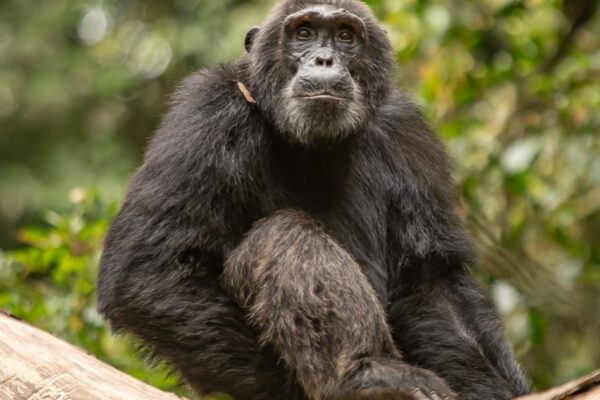
Kibale is famous for its exceptional primate diversity, with 13 primate species recorded in the park. The headline species is the chimpanzee, but visitors also regularly see red colobus, black-and-white colobus, L’Hoest’s monkey, grey-cheeked mangabey, olive baboons, and vervet monkeys. Beyond primates, Kibale supports over 71 mammal species and more than 370 bird species, including forest elephants and rare Albertine Rift birds. That mix makes the park one of East Africa’s richest forest wildlife destinations. If you enjoy animals in thick rainforest habitats rather than open plains, Kibale gives you a very different kind of safari experience, one filled with movement, calls in the canopy, and constant life in the trees.
Things to do in Kibale National Park
The main activity in Kibale is chimpanzee tracking on the Kanyanchu Primate Walk, which leaves the visitor center at 8:00 a.m., 11:00 a.m., and 2:00 p.m. The walk usually lasts two to five hours, and visitors are allowed one hour with the chimps once found. The park also offers the Chimpanzee Habituation Experience, where guests spend longer with researchers and habituators following a semi-habituated chimp group. Birding is excellent, and forest walks give travelers a chance to enjoy the scenery and other primates. Because sightings are so reliable and the forest is so alive, Kibale is ideal for anyone who wants a focused wildlife experience with a strong primate theme.
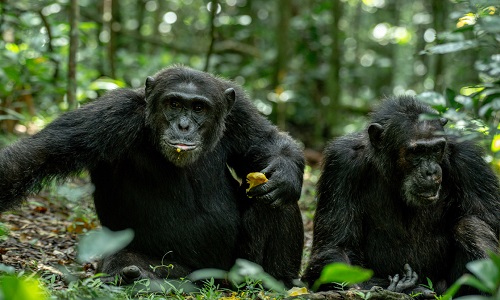

Kibale National Park is a biologically rich region located in western Uganda, renowned for its diverse wildlife, particularly its primate population. It’s often referred to as the “primate capital of the world.”
Renowned for its chimpanzee trekking, Kibale boasts one of the highest concentrations of primates in Africa. You can also embark on guided nature walks to spot other wildlife like monkeys, birds, and butterflies.
Key Features:
- Chimpanzee Tracking: The park is home to a significant population of habituated chimpanzees, offering visitors a unique opportunity to observe these intelligent primates in their natural habitat. Guided treks take you through the dense rainforest to encounter chimpanzees feeding, playing, and socializing.
- Diverse Primate Population: In addition to chimpanzees, Kibale National Park boasts a remarkable diversity of other primates, including red colobus monkeys, black and white colobus monkeys, grey-cheeked mangabeys, L’Hoest’s monkeys, and olive baboons.
- Birdwatching: The park is a birdwatcher’s paradise, with over 370 bird species recorded, including many Albertine Rift endemics.
- Forest Walks: Guided nature walks offer the chance to explore the lush rainforest, spot various wildlife, and learn about the park’s ecology and conservation efforts.