Bwindi Impenetrable National Park Facts, Animals and Activities
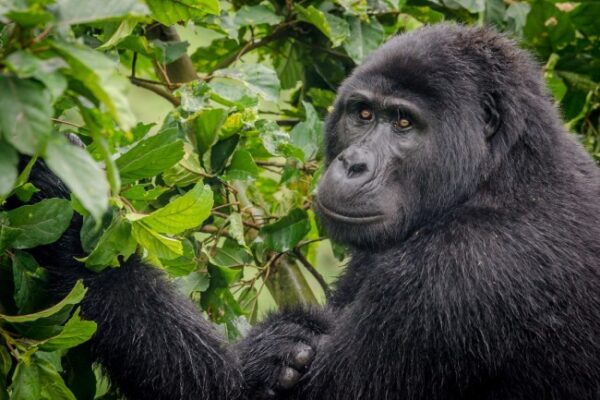
Bwindi Impenetrable National Park is a UNESCO World Heritage Site located in southwestern Uganda. It’s renowned for being home to half of the world. Bwindi Impenetrable National Park is one of Africa’s most ancient and biologically rich rainforests, a mist-covered sanctuary that feels almost mythical. Located on the edge of the Rift Valley, the forest dates back over 25,000 years and shelters an extraordinary range of life, including around 400 plant species. It is especially famous for mountain gorilla trekking, which draws travelers from around the world for a rare and moving wildlife encounter. Dense, green, and wonderfully untamed, Bwindi is not just a park; it is an experience of deep forest, conservation, and wonder. For anyone seeking a powerful African safari moment, Bwindi offers one of the continent’s most unforgettable adventures.
More About Bwindi Impenetrable National Park
Bwindi Impenetrable National Park Facts
Bwindi Impenetrable National Park is one of Africa’s oldest and most biologically diverse rainforests, dating back more than 25,000 years. It covers about 321 square kilometers and rises from 1,160 m to 2,607 m above sea level, giving it a cool, misty mountain feel. The park is best known as a global stronghold for mountain gorilla conservation, protecting roughly 459 gorillas, almost half of the world’s remaining population. Bwindi is also recognized as a UNESCO World Heritage Site because of its ecological importance and exceptional biodiversity. It is a place where ancient forest, conservation success, and unforgettable wildlife encounters all come together beautifully.
Bwindi Impenetrable National Park Location
Bwindi Impenetrable National Park is located in south-western Uganda on the edge of the Rift Valley, in the Kisoro and wider southwestern region. The park is made up of steep ridges, deep valleys, and thick forest, which is why travel here feels like entering a true mountain wilderness. It sits in a scenic part of Uganda that connects well with other safari areas, including the southwest tourism circuit. Access is commonly through sectors such as Buhoma, Ruhija, Rushaga, and Nkuringo, each offering a different gateway into the forest. Its remote position is part of the charm: Bwindi feels wild, secluded, and deeply rewarding once you arrive.
Bwindi Impenetrable National Park Animals
Bwindi is most famous for mountain gorillas, but the wildlife goes well beyond that. The park shelters about 120 mammal species, including chimpanzees, baboons, elephants, and forest antelopes. It is also a superb birding destination, with over 350 bird species recorded, including 23 Albertine Rift endemics such as the African green broadbill and Shelley’s crimsonwing. In addition, the forest supports more than 200 butterfly species and a wide variety of reptiles and amphibians. That mix makes Bwindi a rich forest ecosystem, not just a gorilla park. For travelers, the forest offers rare sightings, constant sounds of life, and one of the most rewarding wildlife experiences in East Africa.
Bwindi Impenetrable National Park Things to do
The number one activity in Bwindi is gorilla trekking, and it is the experience most visitors come for. The park has habituated gorilla groups available for tourism, making guided treks possible in several sectors. Beyond gorillas, visitors can enjoy birdwatching, forest walks, waterfall hiking, caving, and cultural visits to Batwa and Bakiga communities. These experiences add variety and help travelers connect with the forest beyond wildlife viewing alone. The Batwa cultural encounters are especially meaningful, offering insight into the original forest inhabitants and their heritage. Bwindi is ideal for travelers who want a trip that combines adventure, conservation, culture, and a deep rainforest atmosphere.