
Plan Your First Primate Safari to See Gorillas and Chimps.
Planning your first primate safari is an exciting way to explore Uganda beyond the traditional savannah game drive. For travellers hoping to see mountain gorillas and chimpanzees, Uganda offers an exceptional combination of rainforest trekking, wildlife encounters, scenic landscapes, cultural experiences, and conservation-focused tourism. At Kibale Forest Adventures, we help travellers plan well-organised primate safaris that connect the chimpanzee forests of western Uganda with the mountain gorilla habitats of southwestern Uganda.
A Uganda primate safari can be designed around your interests, available time, preferred accommodation, and budget. A classic itinerary combines Kibale National Park, famous for chimpanzee tracking, with Bwindi Impenetrable National Park, one of Uganda’s principal destinations for mountain gorilla trekking. Depending on the length of your trip, you can add Queen Elizabeth National Park, Lake Bunyonyi, Mgahinga Gorilla National Park, or cultural activities along the route.
Plan your first primate safari to see gorillas and chimps in Uganda and Rwanda. Explore expert tips, permits, the best parks, lodges, and safari planning advice
Why Choose Uganda for Your First Primate Safari?
Uganda Wildlife Authority identifies Kibale National Park as one of the country’s leading chimpanzee destinations, with almost 1,500 chimpanzees found in the park according to its current information. Uganda is also home to more than half of the world’s mountain gorillas, with gorilla trekking taking place in Bwindi Impenetrable National Park and Mgahinga Gorilla National Park.
The two encounters are very different. Chimpanzee tracking takes you through the lush lowland and mid-elevation forest of Kibale, where you may hear calls echoing through the canopy before locating a chimpanzee community. Gorilla trekking, meanwhile, takes place in the mountainous forests of southwestern Uganda, where the terrain can be steep and the vegetation dense.
Start Your First Primate Safari in Kibale National Park
For many first-time primate travellers, Kibale National Park is the ideal place to begin. Known as one of Africa’s major primate destinations, Kibale supports chimpanzees alongside numerous monkey species and other forest wildlife. The Uganda Wildlife Authority also describes Kibale as a major destination for chimpanzee tracking and chimpanzee habituation.
A typical chimpanzee tracking morning begins with a briefing before visitors enter the forest with trained guides and trackers. The walk may involve relatively easy forest paths in some areas but can also become more demanding depending on the location of the chimpanzee community and prevailing forest conditions.
Once chimpanzees are located, visitors are expected to follow the instructions of the guides and maintain the required distance and conduct. The objective is not simply to take photographs but to observe the animals without unnecessarily disturbing their natural behaviour. For travellers who want more time around chimpanzees, Kibale also offers a chimpanzee habituation experience, which provides a longer period of observation than standard tracking. Uganda Wildlife Authority states that chimpanzee habituation activities take place throughout the year.
What Makes Chimpanzee Tracking Special?
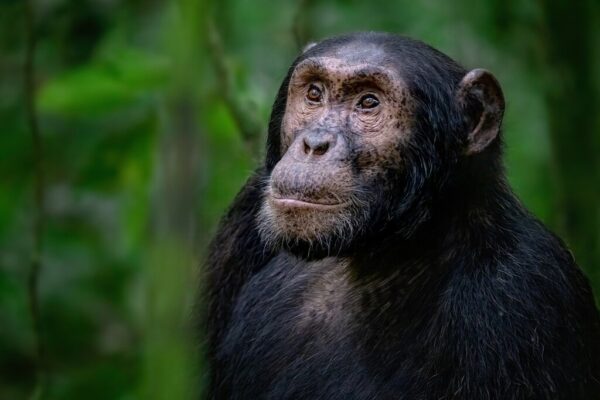
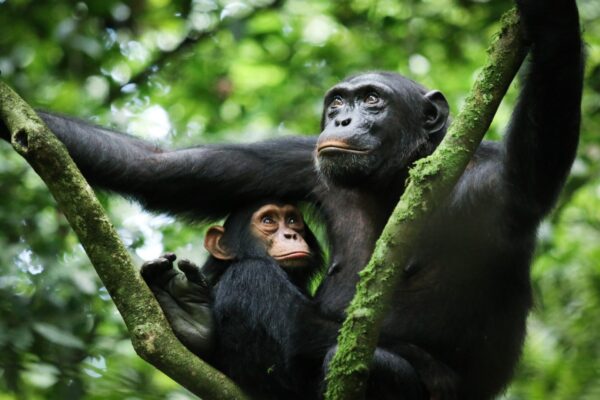
Chimpanzees are fascinating because of their complex social behaviour, vocal communication, movement through the forest, and close evolutionary relationship with humans. The Uganda Wildlife Authority describes them as one of our closest relatives, sharing approximately 98 per cent of their genes with humans. During a Kibale chimpanzee trek, you may encounter individuals feeding, moving between trees, resting, grooming, or communicating with members of their community.
However, wildlife is unpredictable. A sighting cannot be guaranteed, and the forest conditions can influence how far you need to walk before locating the chimpanzees. This is part of what makes forest tracking different from viewing wildlife from a safari vehicle.
Continue to Bwindi for Mountain Gorilla Trekking.
After Kibale, your primate safari can continue toward southwestern Uganda and Bwindi Impenetrable National Park. Bwindi is one of Uganda’s most important destinations for mountain gorilla trekking. Uganda Wildlife Authority identifies four principal trekking sectors: Buhoma, Ruhija, Rushaga, and Nkuringo. Gorilla treks can take approximately two to seven hours depending on the location of the gorilla family and conditions in the forest, while visitors normally receive a designated period to observe a habituated family.
The journey to Bwindi is also part of the adventure. Depending on your route, the drive can pass through rolling hills, rural communities, plantations, crater landscapes, and sections of Queen Elizabeth National Park. At Kibale Forest Adventures, we can organise the itinerary so that the journey between the primate destinations is comfortable and well-paced rather than treating transportation as simply a transfer between two parks.
What Should You Expect on a Gorilla Trek?
A gorilla trek begins with a briefing before entering the forest. The walking conditions vary significantly according to the sector, weather, altitude, and location of the gorilla family. Some treks may be relatively short, while others require several hours of hiking through challenging terrain. You should therefore prepare for uneven ground, and changing weather conditions.
The actual encounter is carefully managed under Uganda’s gorilla tourism regulations. Visitors must follow the instructions of the park authorities, guides, and trackers throughout the activity. The objective is responsible observation: allowing travellers to see the gorillas while minimising disturbance and protecting the health and welfare of both wildlife and visitors.
Gorilla Trekking and Chimpanzee Tracking: What Is the Difference?
Chimpanzee tracking in Kibale generally involves following chimpanzee communities through a forest environment where the animals may move rapidly between trees or across the forest floor. The activity can involve listening for calls, following signs of movement, and walking through areas of dense vegetation.
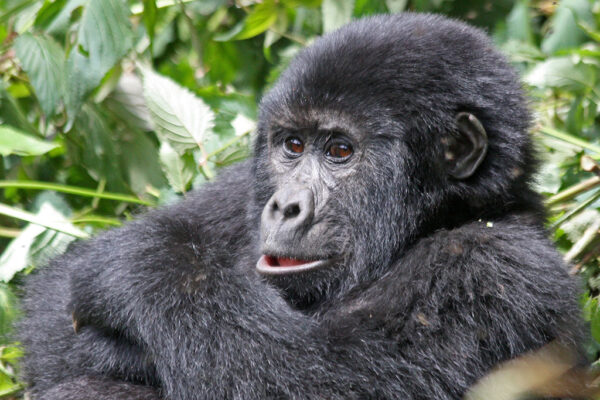
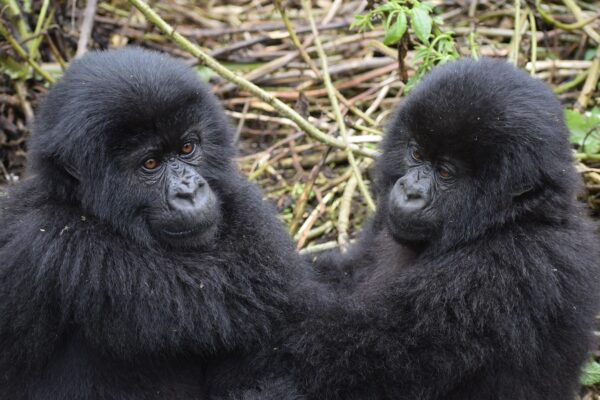
Gorilla trekking in Bwindi, on the other hand, takes place in a mountainous rainforest environment. Gorilla families generally live on steep forested slopes, meaning the physical demands can be greater depending on where the group is located. For a first primate safari, combining the two activities allows you to appreciate the behavioural and ecological differences between chimpanzees and mountain gorillas.
Explore First Primate Safaris to Inspire You
4-Day Gorilla and Chimpanzee Safari
A short itinerary can concentrate on the two main activities: Travel to Kibale National Park, Chimpanzee tracking, transfer to Bwindi, Gorilla trekking, and departure. This option works for travellers with limited time, although the journey can be fast-paced.
5-Day Gorilla and Chimpanzee Safari
Five days allow more breathing room and can include: Arrival or departure logistics, Kibale chimpanzee tracking, scenic transfer toward southwestern Uganda, gorilla trekking, and additional time for relaxation or a short cultural activity
7-Day Gorilla and Chimpanzee Safari
Seven days is a better choice for travelers who want a more relaxed journey. The itinerary can include Kibale, Queen Elizabeth National Park, Bwindi, Lake Bunyonyi, and additional forest or cultural activities.
When Is the Best Time for First Primate Safari?
Gorilla and chimpanzee tracking can be undertaken throughout the year. However, weather conditions influence forest trekking. Kibale’s chimpanzee tracking takes place throughout the year, and the Uganda Wildlife Authority notes that the rainy season can be favourable for chimpanzee tracking even though trails may become muddy. During drier periods, chimpanzees may move deeper into the forest in search of food.
For gorilla trekking, the forest climate means rain can occur even during traditionally drier months. Travellers should therefore prepare for wet conditions regardless of the month. Instead of choosing a date solely based on weather, consider your overall travel priorities, accommodation availability, permit availability, budget, and preferred safari pace.
How Fit Do You Need to Be?
You do not have to be an elite hiker to undertake a primate safari, but you should be prepared for walking on uneven terrain. Uganda Wildlife Authority describes gorilla tracking as requiring moderate fitness, with treks potentially lasting between two and seven hours.
Chimpanzee tracking can also involve several hours of walking depending on where the chimpanzees are located. Before your safari, regular walking, hiking, and general aerobic activity can help you prepare. If you have concerns about your ability to participate, discuss them with your doctor and safari planner before booking.
What Should You Pack for Your First Primate Safari?
Packing correctly can make forest trekking considerably more comfortable.
We recommend considering:
- Waterproof hiking boots with good traction
- Lightweight, breathable clothing
- Long trousers and long-sleeved shirts
- A waterproof jacket or poncho
- Lightweight daypack
- Reusable water bottle
- Insect repellent
- Sunscreen
- Hat
- Gardening-style gloves for additional protection on forest trails
- Camera and spare batteries
- Binoculars
- Waterproof protection for electronics
- Personal toiletries and medications
- A walking stick if recommended or provided for the trek
Neutral-colored outdoor clothing is generally practical for forest activities. Avoid packing unnecessary heavy items because trekking is easier with a lightweight daypack.
Gorilla and Chimpanzee Permit Planning
Permits are one of the most important parts of planning a primate safari. The Uganda Wildlife Authority regulates gorilla and chimpanzee permits and has specific procedures governing their reservation and purchase. Its published guidelines state that foreign non-resident tracking permits are purchased through tour operators licensed by the Uganda Tourism Board.
Permit prices can change, so travellers should confirm the applicable tariff for their travel dates before making final arrangements. UWA’s current rates page indicates a tariff change for 2026–2027, making it especially important not to rely on outdated figures published elsewhere.
Why Book Your First Primate Safari With Kibale Forest Adventures?
Planning a gorilla and chimpanzee safari involves more than booking two permits. The parks are separated by considerable driving distances, and the order of activities can affect your accommodation, transfers, trekking times, and overall comfort.
Kibale Forest Adventures can help organise the major components of your journey, including:
- Gorilla trekking arrangements
- Chimpanzee tracking
- Accommodation
- Private safari transportation
- Professional driver-guide services
- Park activities
- Airport transfers
- Cross-border itinerary planning where appropriate
- Cultural and community activities
- Tailored safari schedules
Responsible Primate Tourism Matters
A successful primate safari should contribute to the long-term protection of the forests and wildlife that make the journey possible. The Uganda Wildlife Authority’s conservation mandate includes sustainable wildlife management and collaboration with neighboring communities. Its current conservation strategy emphasises community participation, tourism development, habitat protection, and sustainable management.
Visitors can support responsible tourism by following park regulations, respecting wildlife viewing distances, avoiding unnecessary noise, listening to guides and trackers, and never attempting to feed or touch wild animals. Responsible travel also means respecting local communities, supporting legitimate tourism businesses, and treating the forest environment with care.
Add More Wildlife to Your First Primate Safari
One of the great advantages of choosing Uganda is that your primate safari does not have to end with gorillas and chimpanzees.
You can extend your journey with wildlife viewing in Queen Elizabeth National Park, where savannah landscapes provide opportunities to look for elephants, buffaloes, antelopes, hippos, lions, and numerous bird species. Travellers with more time can also consider Murchison Falls National Park, Lake Mburo National Park, Semuliki National Park, or Kidepo Valley National Park, depending on their interests and available travel time.
Plan Your First Primate Safari With Kibale Forest Adventures
Your first primate safari should be carefully planned, but it should also leave room for the unexpected moments that make forest travel memorable. Hearing chimpanzees calling somewhere beyond the trees, walking through the ancient rainforest of Kibale, following a guide through Bwindi’s dense vegetation, and eventually encountering a mountain gorilla family are all very different moments that come together into one remarkable Ugandan journey.
At Kibale Forest Adventures, we specialize in helping travelers plan Uganda primate safaris that combine chimpanzee tracking in Kibale with gorilla trekking in Bwindi, while allowing room for wildlife, culture, scenery, and relaxation along the way. Whether you are travelling from the United States, Canada, the United Kingdom, Australia, Europe, or elsewhere, we can help you build a safari around your available time and interests.
Ready to plan your first gorilla and chimpanzee safari in Uganda? Contact Kibale Forest Adventures to discuss your preferred travel dates, safari duration, accommodation style, and budget, and let us help you turn your Uganda primate safari plans into a practical itinerary.