
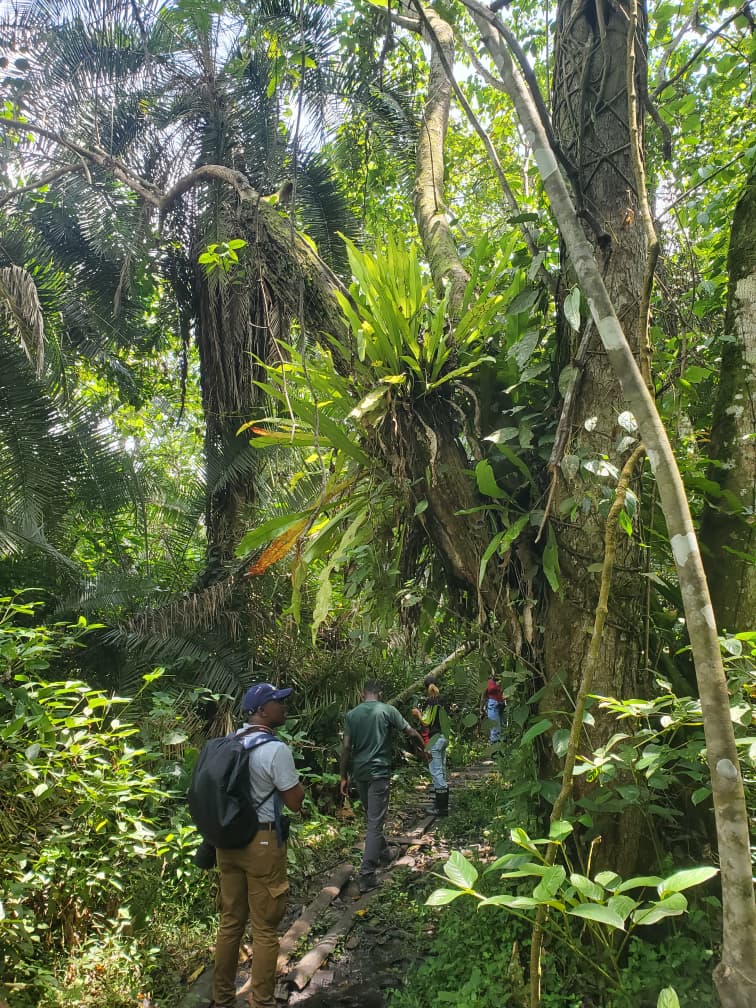
What is the Best Time to Visit Kibale National Park?
Do you plan to visit Kibale National Park and are wondering the best time to do so? This article is yours to read. Kibale National Park is one of the most popular national parks in Uganda. It is famous for its diverse wildlife and breathtaking landscapes. If you are planning a trip to this beautiful park, knowing the best time to visit can help you make the most of your experience. In this article, we will discuss the seasons in Kibale National Park, what to expect during each season, and tips on how to enjoy your visit.
Overview of Kibale National Park
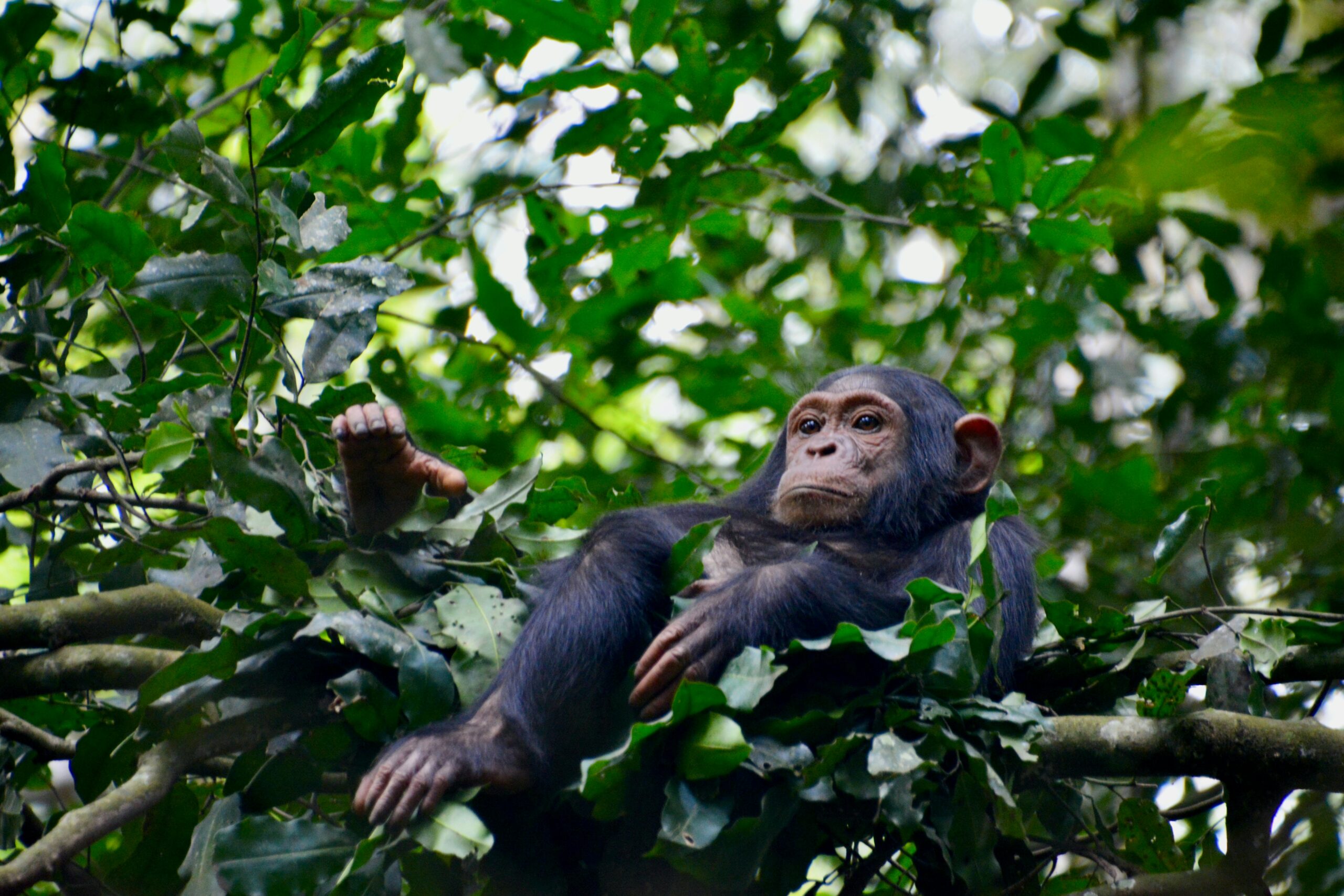
Kibale National Park is located in western Uganda and covers about 766 square kilometers. The park is home to over 13 species of primates, including chimpanzees, red-tailed monkeys, white colobus monkeys, and baboons. It is also rich in birdlife, with more than 350 species recorded. The lush tropical rainforest, with its tall trees and thick underbrush, makes it a paradise for nature lovers.
Additionally, the park offers various activities for visitors, including chimpanzee tracking, nature walks, bird watching, and cultural experiences with local communities. Choosing the right time to visit will enhance your chances of seeing wildlife and enjoying the park’s beauty.
Climate and Seasons in Kibale National Park
Kibale has a tropical climate with two main seasons: the dry season and the rainy season. Let us take a closer look at each season.
Dry Season (December to February, June to August)
December to February
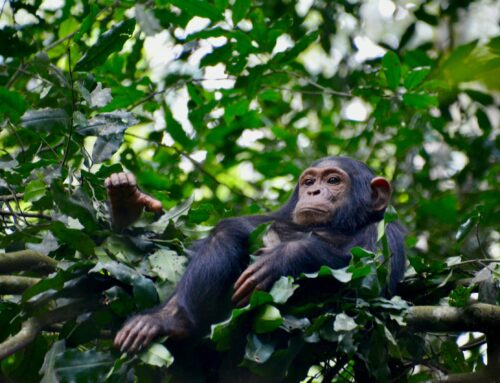
The weather during these months is usually dry and warm. Daytime temperatures can range from 20°C to 30°C (68°F to 86°F). This is one of the best times to see wildlife. Animals are more active, and the lack of rain means they gather around water sources. Chimpanzees are easier to spot as they move through the trees and are more active, looking for food. You can enjoy chimpanzee tracking and nature walks without worrying about mud or slippery trails. The dry weather makes it a great time for hiking.
June to August
The weather in these months is also dry, but it can get cooler in the evenings. Like in December to February, wildlife is easier to see. This is especially true for birds, as many migratory species come to Kibale during this time. Visitors can take part in guided walks and experience the vibrant ecosystem. This period is also popular for photographers who want to capture the stunning scenery.
Rainy Season (March to May, September to November)
March to May
This is the long rainy season in Kibale. It can rain heavily, and the trails can become muddy and difficult to navigate. While the rain can make wildlife harder to find, it is still a great time for birdwatchers. Many birds are nesting, and you can see colorful species that are not present during the dry season. For adventurous travellers, this season offers a unique experience. You can see the lush green landscapes and diverse flora. However, prepare for wet conditions and muddy trails.
September to November
The rainfall decreases in September and October, but can still be irregular. November tends to be wetter. This period offers a good chance to see animals, particularly since many baby animals are born during this time. The park is teeming with life, and the greenery is vibrant. Nature walks can be enjoyable, but expect muddy trails. The park is less crowded than during the dry season, allowing for a more peaceful experience.
Choosing the Best Time to Visit
The best time to visit Kibale National Park depends on what you want from your experience. If you prefer sunny weather and want to see wildlife easily, the dry months (December to February and June to August) are ideal. However, if you are a bird lover or want to experience a quieter park, the rainy months (March to November) may be more enjoyable for you.
Tips to help you plan your visit
Book in Advance: If you are traveling during the dry season, it is essential to book your accommodation and tours early, as this is the peak tourist time.
Pack accordingly: Regardless of when you visit, make sure to pack appropriate clothing and gear. Light, breathable clothes are good for warm days, and a waterproof jacket is essential during the rainy season. Good hiking boots are also important for the muddy trails.
Stay Hydrated: Always carry enough water with you, especially during the dry season when temperatures can rise.
Engage Local Guides: Hiring a local guide can enhance your experience. They know the best spots for wildlife viewing and can provide valuable insights about the park’s ecosystem.
Respect Wildlife: Always maintain a safe distance from animals and follow guidelines set by park authorities to ensure their safety and yours.
Explore Beyond Chimpanzee Tracking: While chimpanzee tracking is a highlight, consider engaging in other activities, such as visiting the nearby Bigodi Wetland Sanctuary, where you can enjoy more bird watching and cultural interactions.
Kibale National Park is a stunning destination with something to offer every traveler, whether you seek adventure, wildlife, or relaxation. By understanding the park’s climate and seasons, you can choose the best time to visit and make the most of your experience. Remember to plan ahead, pack wisely, and enjoy the natural beauty that Kibale has to offer. Happy travels!


Leave A Comment