
Compare Chimpanzee Trekking in Kibale and Nyungwe National Parks
A Comparative Analysis of Chimpanzee Trekking in Kibale and Nyungwe National Parks. Chimpanzees, our closest living relatives in the animal kingdom, are a significant draw for eco-tourists and wildlife enthusiasts alike. In East Africa, two premier destinations for chimpanzee trekking are Kibale National Park in Uganda and Nyungwe National Park in Rwanda. Both parks offer unique experiences, landscapes, and opportunities to observe these fascinating primates in their natural habitats. This article explores the similarities and differences between chimpanzee trekking in Kibale and Nyungwe National Parks, helping travelers determine which destination best suits their interests.
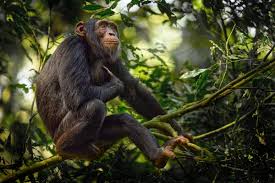
About Kibale National Park
Kibale National Park, established in 1993, covers an area of 766 square kilometers (296 square miles). It is often referred to as the “Primate Capital of the World.” It is renowned for its diversity of primate species, including over 1,500 chimpanzees and 12 other primate species, such as red-tailed monkeys, blue monkeys, and L’Hoest’s monkeys. The park is characterized by lush rainforests, wetland swamps, and an impressive array of flora and fauna, making it a biodiversity hotspot.
About Nyungwe National Park
On the other hand, Nyungwe National Park spans about 1,019 square kilometers (393 square miles). It is often celebrated as one of the oldest rainforests in Africa, with a unique ecosystem that includes tea plantations and a range of biodiversity. Nyungwe is home to an estimated 400 chimpanzees and 13 other primate species, including colobus monkeys, golden monkeys, and several species of monkeys native to Africa. The park features beautiful montane forests, dramatic ridges, and breathtaking views, embodying the natural beauty of Rwanda.
Getting to Kibale National Park
Kibale National Park is located approximately 300 kilometers (186 miles) west of Kampala, Uganda’s capital. The journey typically takes about 5-6 hours by road. The most common route is via the towns of Fort Portal and Bigodi. The availability of both public and private transportation options makes it relatively accessible for visitors.
Getting to Nyungwe National Park
Nyungwe National Park is located in the southwestern region of Rwanda, about 225 kilometers (140 miles) from Kigali. The drive from Kigali to Nyungwe usually takes about 5-6 hours, offering stunning views of the countryside, local villages, and rolling hills. While public transportation options are available, many visitors opt for private transfers to enhance comfort and convenience.
Chimpanzee Trekking in Kibale
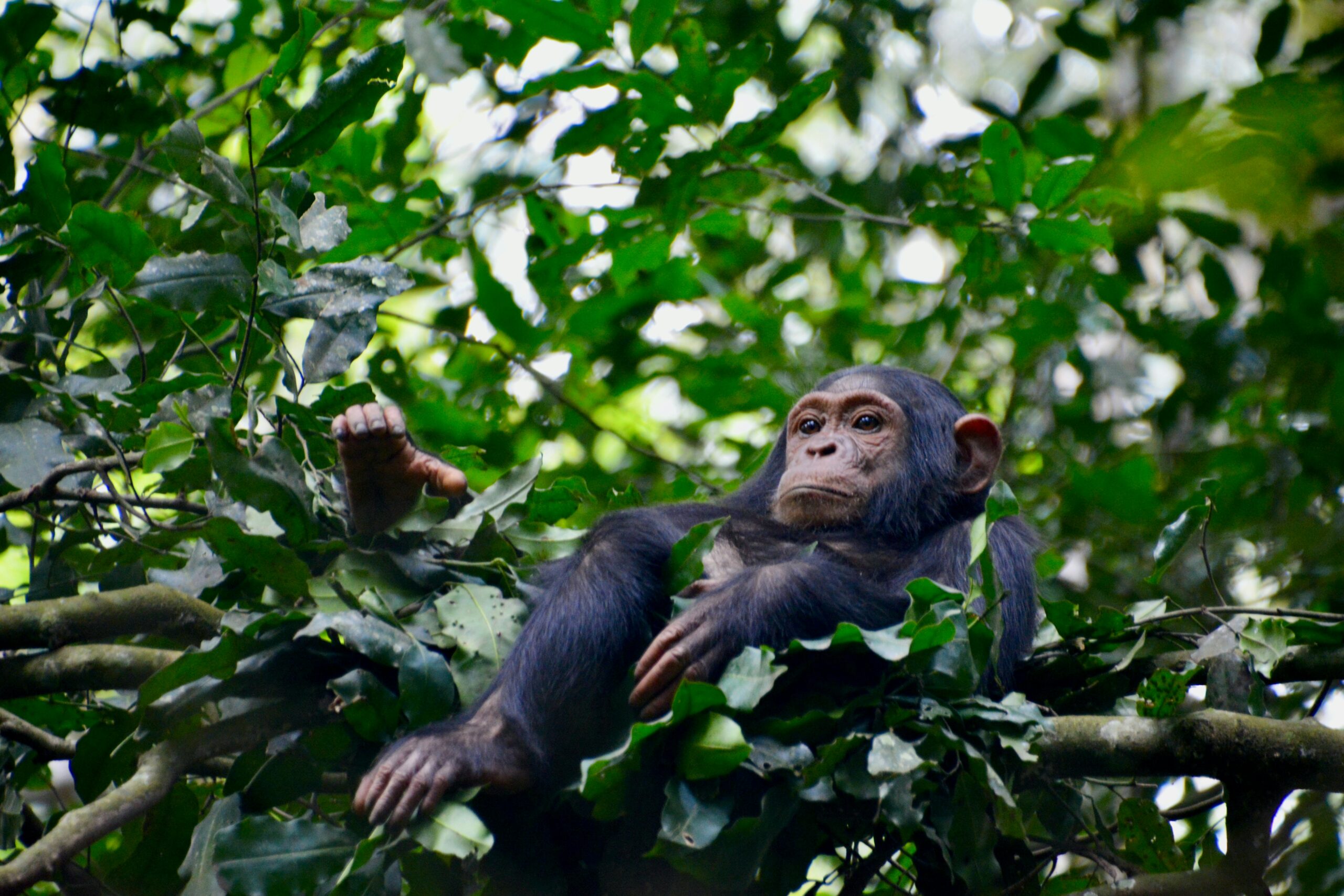
Chimpanzee trekking in Kibale typically takes place in the morning and involves trekking through the thick rainforests. Visitors are grouped with guides who are skilled in tracking the chimpanzees, ensuring a safe and enriching experience. Trekking times can vary, with some visitors encountering chimpanzees shortly after starting their hike, while others may trek for several hours.
The experience of being within a few meters of these intelligent creatures is exhilarating. Kibale allows visitors to spend a full hour observing the chimpanzees, learning about their behavior, social structures, and interactions. This intimate experience, coupled with the park’s rich biodiversity, makes Kibale a top choice for primate enthusiasts.
Chimpanzee Trekking in Nyungwe
In Nyungwe, chimpanzee trekking is organized similarly, but with some distinctive differences. The park’s treks are often conducted in the morning, though afternoon treks are also available. The terrain can be steep and challenging, providing a more adventurous experience for trekkers. Nyungwe National Park emphasizes the importance of eco-tourism and research, which is reflected in the knowledgeable guides who accompany trekking groups.
Visitors are generally allowed to spend up to one hour observing the chimpanzees. Nyungwe’s trekking experience is enhanced by the park’s diverse environments, which can lead to the discovery of other wildlife and plant species, adding to the overall adventure.
Biodiversity and Scenic Beauty of Kibale National Park
Kibale is celebrated for its rich biodiversity, and the variety of habitats supports numerous wildlife species. The park boasts lush tropical forests that are home to a myriad of birds, butterflies, and unique plant species. The Bigodi Wetland Sanctuary near Kibale adds extra diversity, where visitors might spot swamp-dwelling birds and other wildlife.
The scenic beauty is highlighted by the rolling hills and picturesque landscapes, which provide an enchanting backdrop for trekkers. The dense foliage and towering trees enhance the feeling of being in an untouched wilderness.
Biodiversity and Scenic Beauty of Nyungwe National Park
Nyungwe National Park features a mix of primeval rainforest and expansive tea plantations, giving visitors a unique perspective of Rwanda’s culture and landscape. The park is also notable for its extensive network of hiking trails, which offer various levels of difficulty and opportunities to explore the park’s diverse ecosystems.
The wildlife in Nyungwe is rich and includes not only primates like chimpanzees but also various bird species, including endemic birds found nowhere else. The breathtaking views from the park’s hills and the famous canopy walk provide unforgettable experiences, allowing visitors to see the forest from a different perspective.
Cultural Experiences of Kibale National Park
Visitors to Kibale often have the opportunity to engage with local communities, enriching their experience. Cultural visits might include traditional dance performances and learning about the local people’s customs and lifestyles. These interactions provide a deeper understanding of the relationship between the communities and the surrounding ecosystems.
Cultural Experiences of Nyungwe National Park
Nyungwe offers cultural experiences that highlight Rwanda’s rich heritage. Visitors can engage with local communities to learn about traditional crafts, music, and dance, and even participate in agricultural activities. The solidarity and resilience of the Rwandan people are evident through these experiences, allowing tourists to forge connections that enhance their visit.
Costs and Accommodations in Kibale National Park
The costs associated with chimpanzee trekking in Kibale National Park are generally reasonable compared to many other international ecotourism destinations. Permits usually cost $250, and various accommodation options exist, from budget lodges to mid-range resorts.
Costs and Accommodations in Nyungwe National Park
Chimpanzee trekking permits in Nyungwe generally cost $250. Accommodations in Nyungwe vary as well, with options ranging from budget-friendly lodges to luxurious eco-lodges nestled within the park. The choice of accommodation often influences visitors’ overall experiences.
Final Thoughts
Both Kibale and Nyungwe National Parks offer incredible opportunities for chimpanzee trekking. Each with its unique appeal. Kibale’s rich biodiversity and cultural experiences provide an intimate connection to primate life. On the other hand, Nyungwe’s stunning landscapes and adventurous trekking trails offer a captivating exploration of the rainforest’s wonders.
Ultimately, the decision of where to go may come down to personal preferences regarding accessibility, the type of trekking experience desired, and the overall ambiance of the park. Whether you choose Kibale with its vibrant ecosystems or Nyungwe with its majestic landscapes, both parks promise a rewarding adventure for those seeking to witness the captivating world of chimpanzees in their natural habitat.

Leave A Comment