
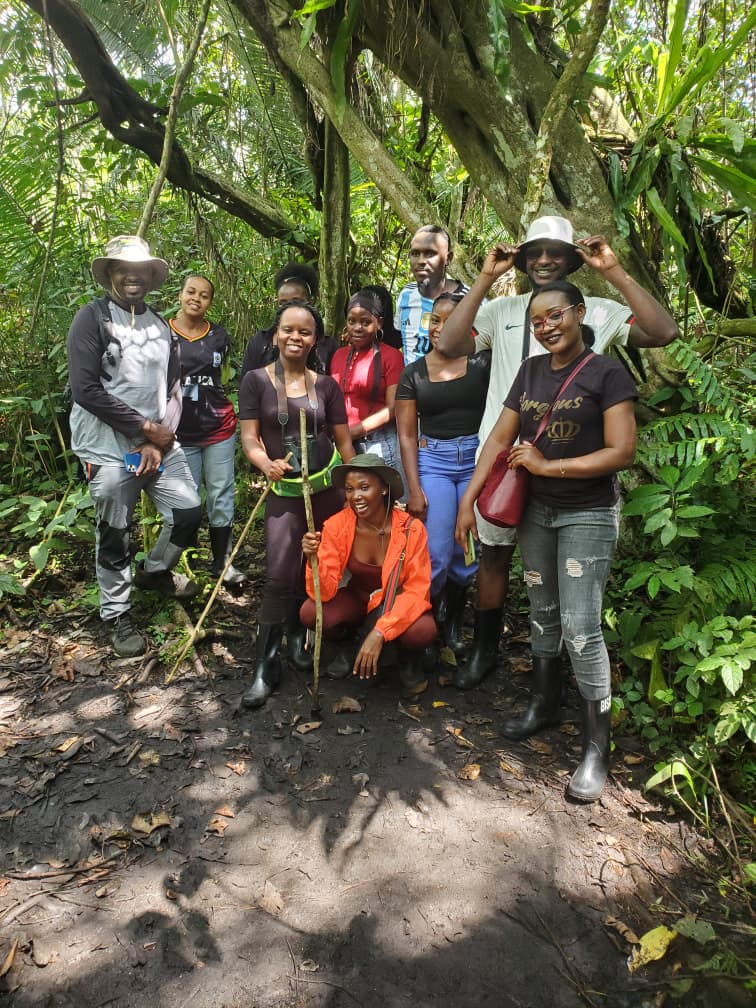
Visiting Kibale National Park between June and September
Reasons why you should visit Kibale National Park between June and September. Kibale National Park, located in western Uganda, is one of Africa’s most biodiverse regions. With its lush rainforest, diverse wildlife, and vibrant ecosystem, it attracts thousands of visitors each year. If you are considering a visit, the months from June to September present a unique and enjoyable experience. This article will explore what to expect when visiting Kibale National Park during these months, including activities, wildlife spotting, climate, accommodation, and travel tips.
About Kibale National Park
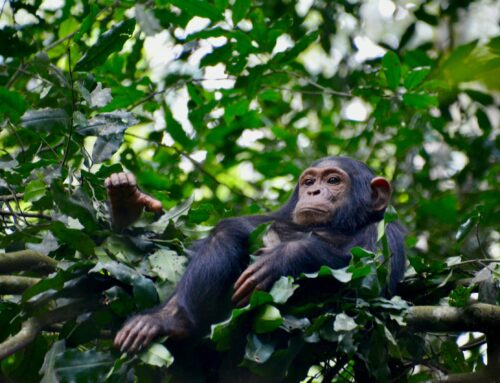
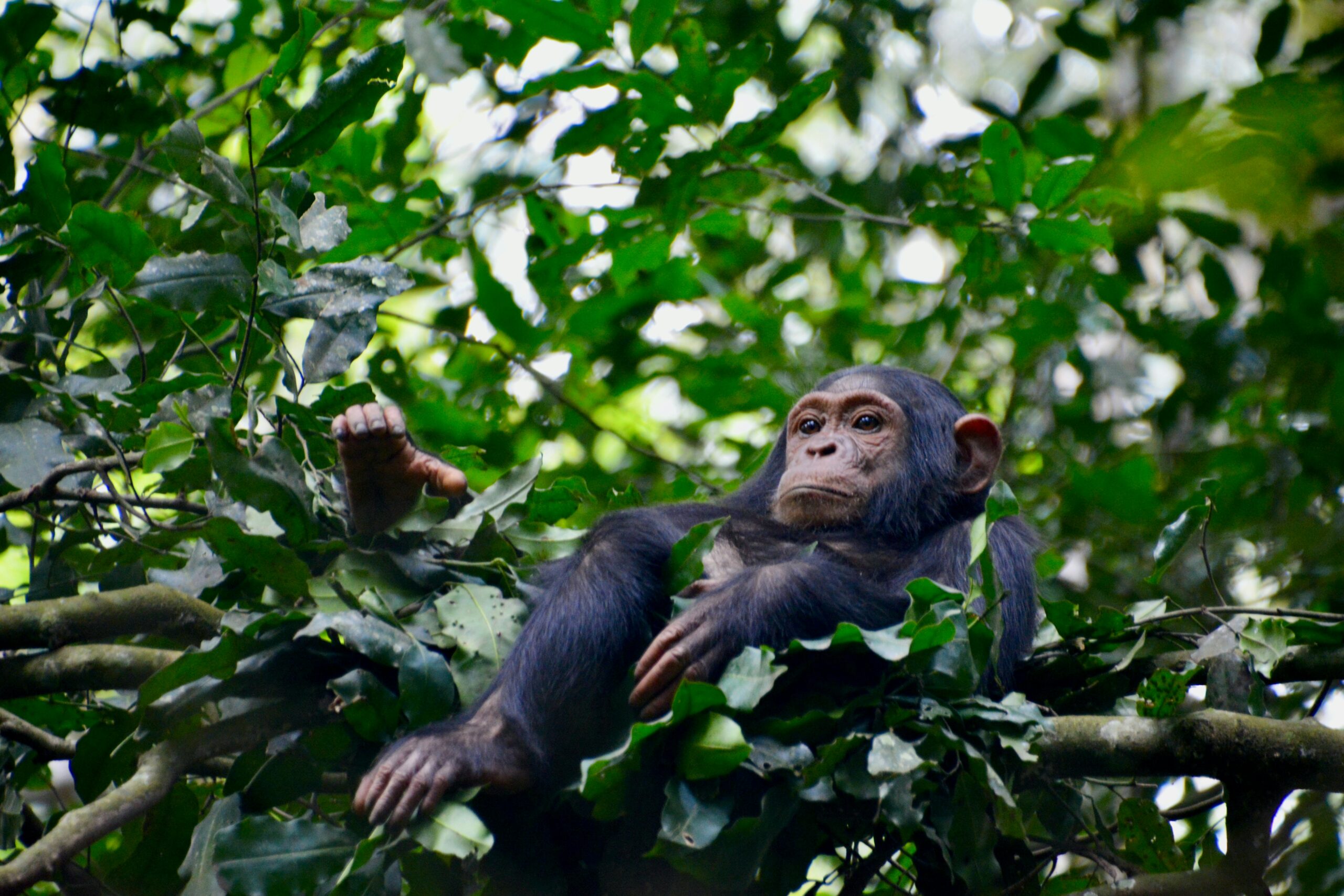
Established in 1993, Kibale National Park covers approximately 766 square kilometers and is home to one of the largest remaining rainforests in Africa. This park is famous for its population of chimpanzees (over 1,500 of them). This makes it one of the best places in the world for chimpanzee tracking.
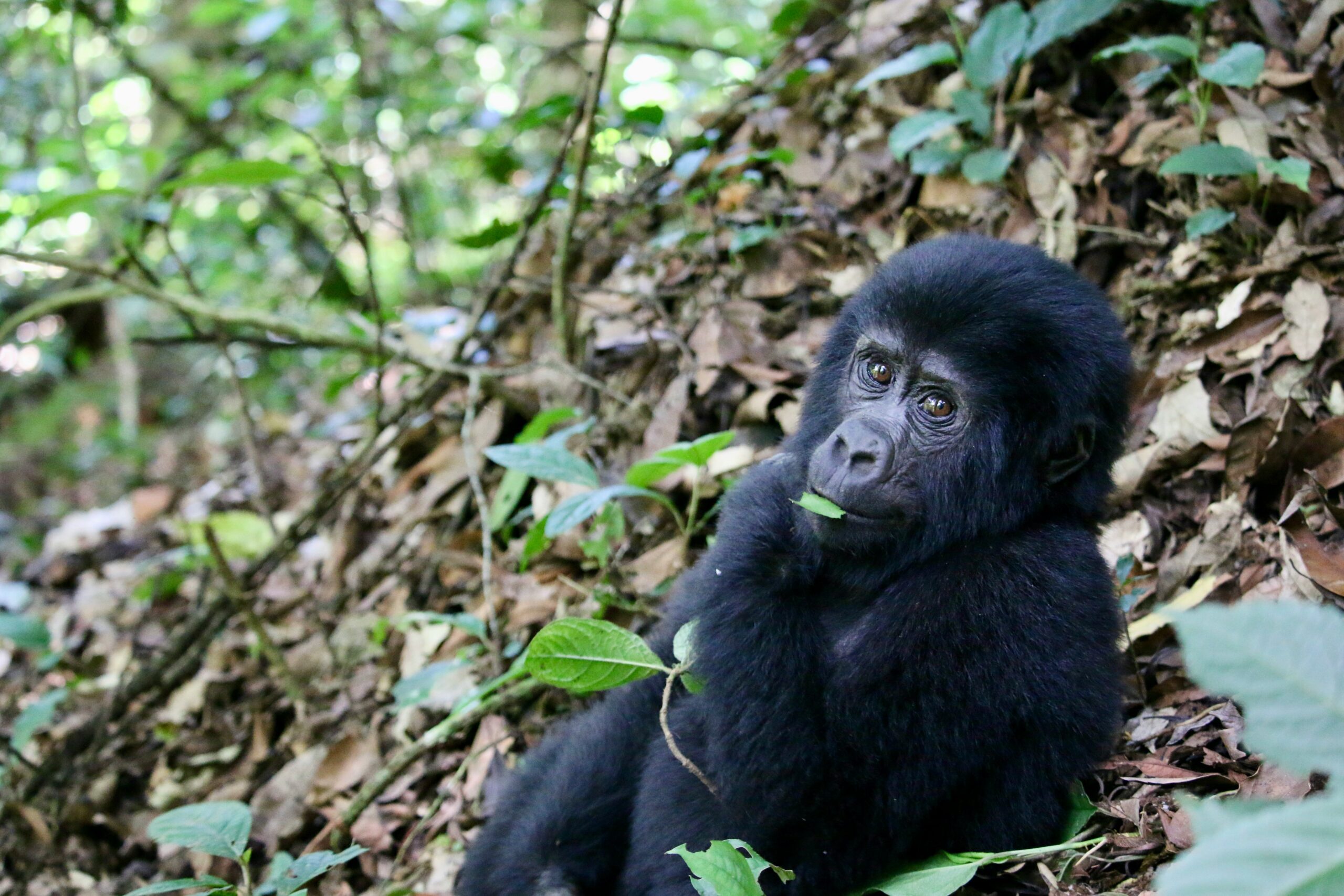
Besides chimpanzees, the park is host to various other primates, including red-tailed monkeys, white colobus monkeys, grey-cheeked mangabeys, and baboons. Nature enthusiasts will also appreciate the more than 350 bird species, as well as a wide variety of flora and fauna. With such rich biodiversity, Kibale National Park is often referred to as the “primate capital of the world.”
What is the climate of Kibale like between June and September?
The period from June to September marks the dry season in Kibale National Park, characterized by lower rainfall and more stable weather conditions.
June
June begins the dry spell, with temperatures typically ranging from 15°C to 25°C (59°F to 77°F). The humidity starts dropping, making outdoor activities more enjoyable. This month is an excellent time for wildlife spotting. Animals, including chimpanzees, are active and can be found moving through the trees in search of food.
July and August
During July and August, temperatures remain consistent, and the weather continues to be favorable for visiting. Days are usually sunny, while nights can be cooler. The conditions are perfect for observing a range of wildlife. Birders will be excited to see migratory bird species returning to the park. The flora is also lush and vibrant, offering stunning backdrops for photography.
September
September transitions into a period of slightly increased rainfall, but it remains relatively dry with occasional showers. Temperatures typically stay around 15°C to 26°C (59°F to 79°F). This month is also rich in wildlife activity, with many baby animals born during this time. It is an excellent opportunity for visitors to see young chimpanzees and other wildlife interacting in their natural habitat.
Activities done in Kibale National Park
Kibale National Park offers a variety of activities for visitors to connect with nature and experience its rich biodiversity.
Chimpanzee Tracking
One of the park’s most popular activities is chimpanzee tracking. Guided tours allow visitors to trek through the rainforest to find and observe these amazing primates in their natural environment. The trek can take anywhere from 1 to 4 hours, depending on where the chimps are located. Guides are knowledgeable and will share insights about the chimps and the surrounding ecosystem. Early morning treks are recommended for the best chance of spotting chimps as they are generally more active during cooler parts of the day.
Bird Watching
With over 350 bird species, Kibale is a paradise for bird watchers. The dry months of June to September are excellent for spotting a wide variety of birds. Keep an eye out for species like the Great Blue Turaco, African Grey Parrot, and various sunbirds. Consider joining a birding tour with a local expert who can help you identify species and understand their behaviors.
Nature Walks and Hikes
The park offers several nature trails for guided walks, allowing visitors to explore the lush greenery and learn about the unique plants and animals in Kibale. Some tours include visits to nearby communities, where you can learn about local culture and traditions. This provides a well-rounded experience of the area. The Bigodi Wetland Sanctuary, located near the park, is another great option for nature walks. The swampy area is home to many birds and provides opportunities for spotting other wildlife.
Cultural Experiences
Experiencing the local culture enhances any trip. Near Kibale, there are opportunities to interact with local communities, learn about their traditions, and participate in daily activities. Arrange visits to local villages where you can enjoy traditional dances, crafts, and foods. Engaging with locals adds a deeper understanding of the region. Explore local craft markets for unique souvenirs, supporting the community and bringing home a piece of Uganda.
Accommodation Options in Kibale National Park
When planning a visit to Kibale National Park from June to September, it’s essential to choose appropriate accommodations that suit your preferences and budget.
For a more upscale experience, consider staying at luxury lodges near the park, such as Kyaninga Lodge or Primate Lodge Kibale. These places offer stunning views, comfortable amenities, and often include meals and guided tours. Mid-Range Lodges options like Kibale Tourist Safari Lodge provide cozy accommodations with easy access to the park. They also have options for guided tours and meals. For those on a tighter budget, there are guesthouses and campsites. Options like the Kibale Guest Cottages offer affordable rates and a friendly atmosphere.
Due to the popularity of Kibale National Park during the dry season, especially in July and August, it’s advisable to book accommodations well in advance. This ensures you have a place to stay and can secure spots for activities like chimpanzee tracking.
Travel Tips for Your Visit
Pack Wisely: Bring lightweight clothing suitable for warm weather, along with sturdy hiking boots. A light, waterproof jacket is also recommended for any unexpected rain.
Stay Hydrated: Carry enough water, especially during hikes. Staying hydrated is crucial for maintaining energy during walks and treks.
Respect Nature: Follow guidelines provided by your guides, especially when interacting with wildlife. Maintaining a respectful distance and not feeding animals is essential for their safety and well-being.
Documentation: Ensure you have valid travel documents, including visas and permits for chimpanzee tracking. It is best to check the requirements prior to your trip.
Local Currency: While some places may accept cards, it is beneficial to have Ugandan Shillings on hand for local transactions, especially in villages and markets.
Health Precautions: Consult your doctor about vaccinations and medication. Malaria prophylaxis is commonly recommended for travel in Uganda.
Practice Patience: Wildlife tracking can be unpredictable. Sometimes you might not see the animals you hope to see, but enjoy the entire experience of being immersed in nature.
Visiting Kibale National Park between June and September offers a unique and incredible experience. With dry weather, active wildlife, and a vibrant landscape, this period allows for exceptional opportunities for chimpanzee tracking, bird watching, and cultural interactions.
By planning ahead and respecting nature, you can make the most of your trip to this beautiful park. Whether you’re a nature enthusiast, an adventure seeker, or looking for a cultural journey, Kibale National Park has something to offer everyone. Enjoy your journey into the heart of Uganda’s wilderness!


Leave A Comment