
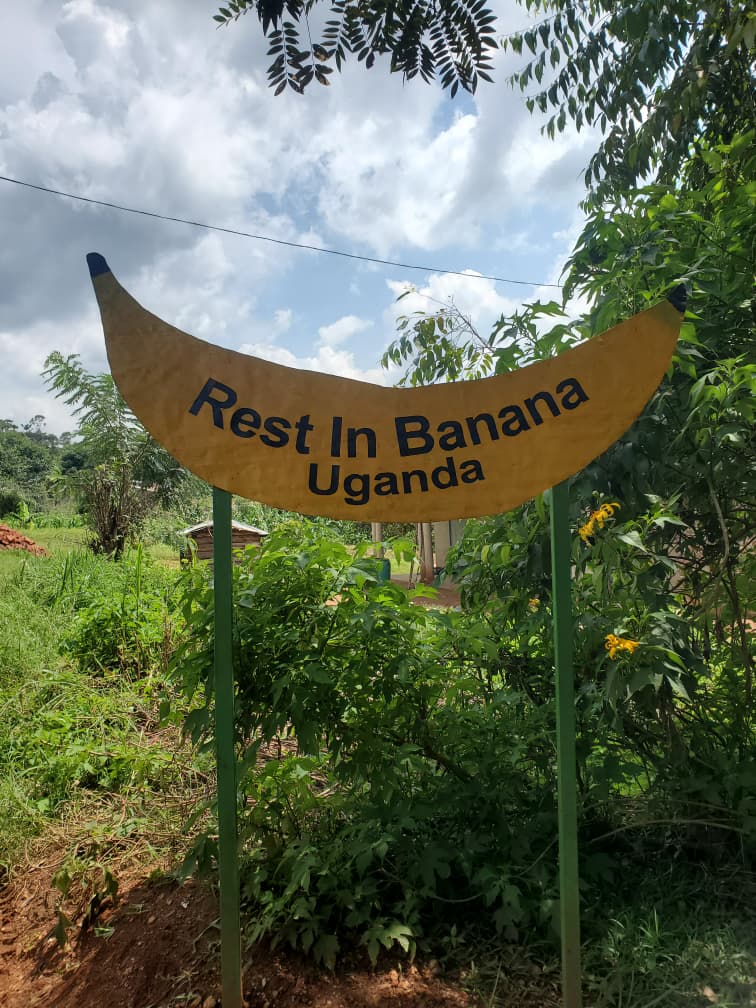
Banana and Coffee Experiences around Kibale National Park
Never miss the banana and coffee experiences whenever you visit Kibale National Park. Kibale National Park, known for its pristine rainforests and diverse wildlife, is also surrounded by rich agricultural landscapes. Among these, bananas and coffee stand out as two of the most significant crops in the region. Visitors to Kibale have unique opportunities to delve into the local culture and economy through banana and coffee experiences. This article explores the cultivation, significance, and experiences related to bananas and coffee around Kibale National Park, providing a firsthand look at this vital aspect of Ugandan life.

The Importance of Bananas in Uganda
A Staple Food: Bananas are a staple food in Uganda and form a crucial part of the local diet. They are consumed in various forms (raw, cooked, or processed into dishes) like matoke, a traditional meal where bananas are steamed and served with sauce. The country has several varieties of bananas, but the East African cooking banana (matoke) is the most popular.
Cultivation: In the areas surrounding Kibale National Park, you will find vast fields of banana plantations. Farmers often cultivate them alongside other crops, such as coffee and cassava, practicing sustainable agriculture methods. The favorable climate of western Uganda, characterized by regular rainfall and fertile volcanic soils, makes it an ideal location for banana farming.
Cultural Significance: Beyond their nutritional value, bananas hold great cultural importance. They are used in various traditional ceremonies, such as weddings and funerals. Special banana varieties are often grown for these events, highlighting their role in community life. Local families may host visitors to share their banana-related traditions, providing a deeper understanding of Ugandan culture.
Coffee – Uganda’s Liquid Gold
The Coffee Bean: Coffee is another vital agricultural product in Uganda, and the country is one of Africa’s largest coffee producers. Most of Uganda’s coffee is of the Arabica and Robusta varieties, with Robusta being the predominant choice due to its resilience in various climatic conditions.
Cultivation and Harvesting: The coffee-growing regions near Kibale National Park benefit from the rich volcanic soil and ample rainfall. Coffee plants flourish in the shaded areas of the forest and are often intercropped with bananas, benefiting both crops. Visiting a coffee farm provides visitors with an opportunity to witness the entire coffee production process, from planting to harvesting.
Coffee Culture: In Uganda, coffee is more than just a beverage; it is a cultural experience. Local coffee farmers take great pride in their craft, with traditional methods used to process and brew coffee. Visitors can learn how to roast coffee beans, a process that involves drying, milling, and eventually brewing the coffee. Participating in local coffee ceremonies allows visitors to engage with the community and appreciate the significance of coffee in Ugandan life.
Banana and Coffee Experiences around Kibale National Park
Many smallholder farmers around Kibale offer farm tours, giving visitors a firsthand look at the banana and coffee cultivation processes. These tours often provide insights into sustainable farming practices and the challenges farmers face.
A guided tour will generally include a walk through the fields, explanations of the banana and coffee growing cycles, and discussions about the importance of each crop to the local economy. Visitors might have the chance to participate in banana harvesting or coffee bean picking, making the experience hands-on and interactive. For those interested in culinary experiences, cooking classes focusing on local dishes made from bananas are popular. By participating in these classes, visitors can learn how to make traditional Ugandan meals that incorporate bananas.
Be part of it!
You may discover how to prepare matoke, banana stew, and other local specialties. The classes can often be held in local homes, offering an authentic experience. Cooking alongside local families fosters connections and allows for cultural exchange, creating lasting memories. Coffee tasting sessions are commonly available at local coffee farms. These events showcase the different flavors and aromas of various coffee beans grown in the region.
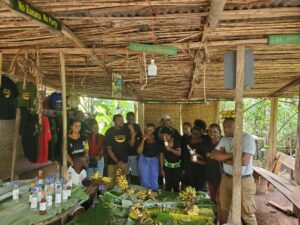
Participants learn how to distinguish between different coffee varieties and brewing methods, often culminating in a tasting session featuring freshly brewed Ugandan coffee. Many coffee farms employ skilled local baristas who share their knowledge and passion for coffee. They explain the significance of different brewing techniques and how they affect flavor.
Engaging with local communities can provide deeper insights into the lives of the people who cultivate bananas and coffee. Participating in local cultural events offers enriching experiences. Many rural communities celebrate banana harvesting and coffee brewing with traditional songs and dances. Visitors might be invited to partake in these festivities, which showcase the community’s cultural heritage. Consider staying with a local family in the area. This arrangement often includes meals featuring bananas and coffee, allowing visitors to experience daily life while directly supporting local communities.
The Environmental Impact of Banana and Coffee Farming
Both banana and coffee farming, when managed sustainably, can positively impact the environment. Many farmers around Kibale are adopting agroforestry techniques that combine the cultivation of these crops with natural vegetation, helping to maintain biodiversity and soil health.
Intercropping coffee and bananas can reduce soil erosion, improve fertility, and prevent pests. Additionally, these practices enhance food security for farming families. By visiting these farms, tourists become aware of the benefits of sustainable agriculture and the importance of supporting local economies.
Challenges Facing Farmers
Despite the positive aspects, farmers face many challenges, including climate change, pests, and market fluctuations. Understanding these issues through direct interaction with farmers can help raise awareness and inspire visitors to support sustainable farming efforts. Many farmers are experiencing the effects of changing weather patterns, which can affect crop yields. Learning about these challenges can foster a deeper understanding of the need for sustainable practices and conservation efforts.
The experiences surrounding bananas and coffee near Kibale National Park offer visitors a unique opportunity to connect with the region’s rich agricultural heritage. These activities not only enrich your visit but also support local communities by emphasizing the importance of sustainable farming practices.
From farm tours and cooking classes to coffee tasting and cultural engagements, the region provides countless opportunities to immerse yourself in the local way of life. By participating in these experiences, you not only explore the luscious landscapes of Kibale but also contribute to the wellbeing of its communities. Whether you are a food enthusiast, a coffee lover, or simply curious about Ugandan culture, engaging with bananas and coffee experiences around Kibale National Park will leave you with unforgettable memories and a deeper appreciation for the natural world.









Leave A Comment