
Chimpanzee Permits in Kibale National Park
Everything you must know about chimpanzee permits in Kibale National Park. Kibale National Park, located in western Uganda, is one of the most significant protected areas for biodiversity and wildlife conservation in East Africa. Spanning over 766 square kilometers, this lush tropical rainforest is famous for its diverse ecosystem teeming with wildlife, particularly its population of chimpanzees. As tourism has increased in Uganda, the management of chimpanzee permits has become crucial for both conservation efforts and the visitor experience. In this article, we will explore the importance of chimpanzee permits, how they work, their costs, and the impact of chimpanzee trekking on conservation and local communities.
Importance of Chimpanzee Trekking
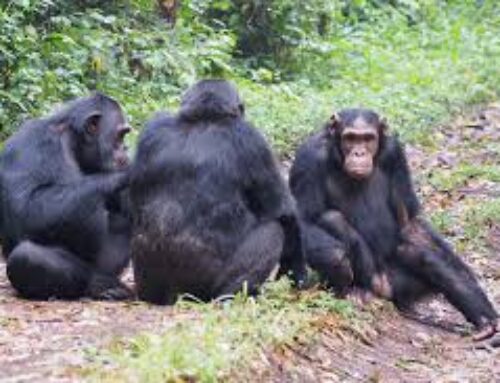
Chimpanzee trekking has gained popularity as an eco-tourism activity, allowing visitors to observe these fascinating primates in their natural habitat. Kibale is home to one of the largest populations of chimpanzees in Africa, with an estimated 1,500 individuals. The experience of trekking through the forest, listening to the calls of these intelligent creatures, and observing their behaviors provides a unique opportunity for wildlife enthusiasts.
The revenue generated from chimpanzee permits plays a pivotal role in funding conservation activities in the park. This includes habitat preservation, anti-poaching patrols, and research on primate behavior. All these initiatives are essential for sustaining the chimpanzee population and the broader ecosystem.
Providing employment opportunities for local communities through tourism helps to mitigate human-wildlife conflict. Engaging local populations in conservation efforts fosters a sense of ownership and responsibility towards preserving the chimpanzee habitat.
Trekking permits also contribute to raising awareness about wildlife conservation. When visitors learn about the challenges faced by chimpanzees and their environment, they become advocates for conservation in their home countries.
About Kibale National Park
Kibale National Park is not only significant for its chimpanzee population. It also houses other primate species, including the red-tailed monkey, L’Hoest’s monkey, and the threatened endemic Uganda mangabey. The park’s diverse habitats, which range from rainforest to grasslands, support a myriad of bird species, butterflies, and other wildlife, making it a biodiversity hotspot. Established in 1993, Kibale is part of the larger Albertine Rift region (a crucial corridor for wildlife migration). The park’s unique ecology, consisting of over 350 species of birds and numerous mammals, has made it a prime location for researchers and nature lovers alike.
The Process of Obtaining Chimpanzee Permits in Kibale National Park
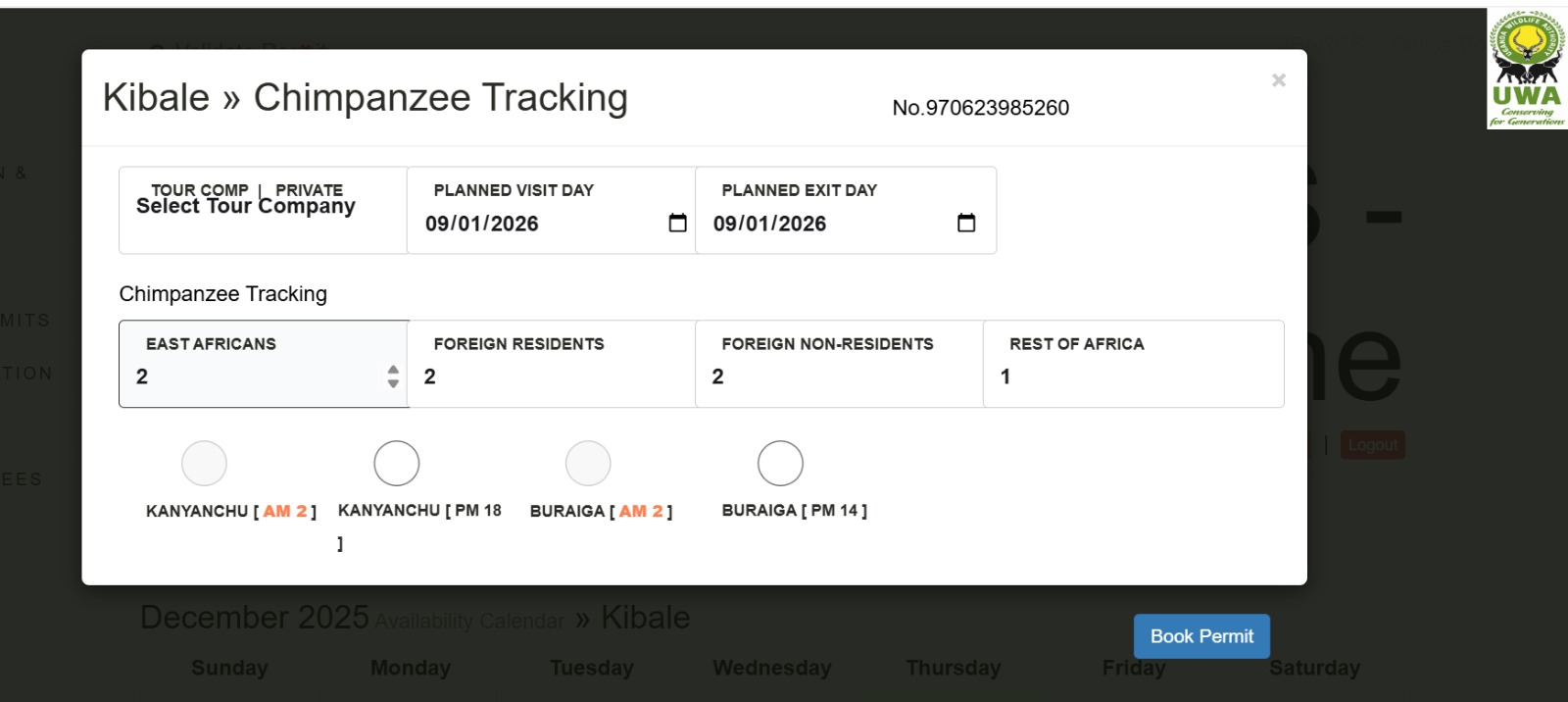
Permit Allocation: Chimpanzee permits are managed by the Uganda Wildlife Authority (UWA). Visitors interested in trekking must obtain a permit in advance, particularly during peak tourist seasons. Each day, a limited number of permits are available to ensure that the chimpanzee population is not overwhelmed by tourist traffic.
Booking and Pricing: Permits can be booked through registered tour operators like Kibale Forest Adventures. As of 2025, the cost of a chimpanzee trekking permit is $250 per person.

Trekking Details: Trekking generally lasts 2-3 hours. Visitors are grouped in small parties, typically led by a knowledgeable guide. The guides are trained to ensure that interactions with the chimpanzees are respectful and minimally invasive. Participants are encouraged to maintain a safe distance and to follow the park’s guidelines.
Health Guidelines: Given that chimpanzees are closely related to humans, visitors must adhere to health guidelines to prevent the transmission of diseases. This includes ensuring that visitors are in good health and have not recently experienced any illnesses that could pose a risk to the chimpanzees.
What is chimpanzee trekking like in Kibale National Park?
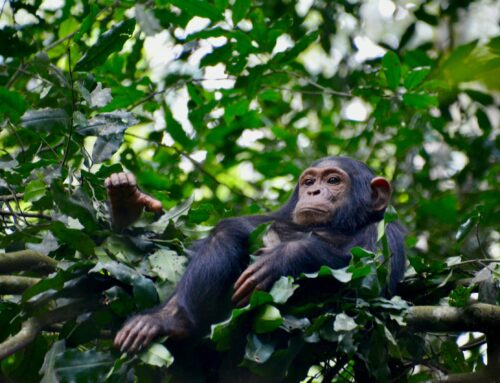
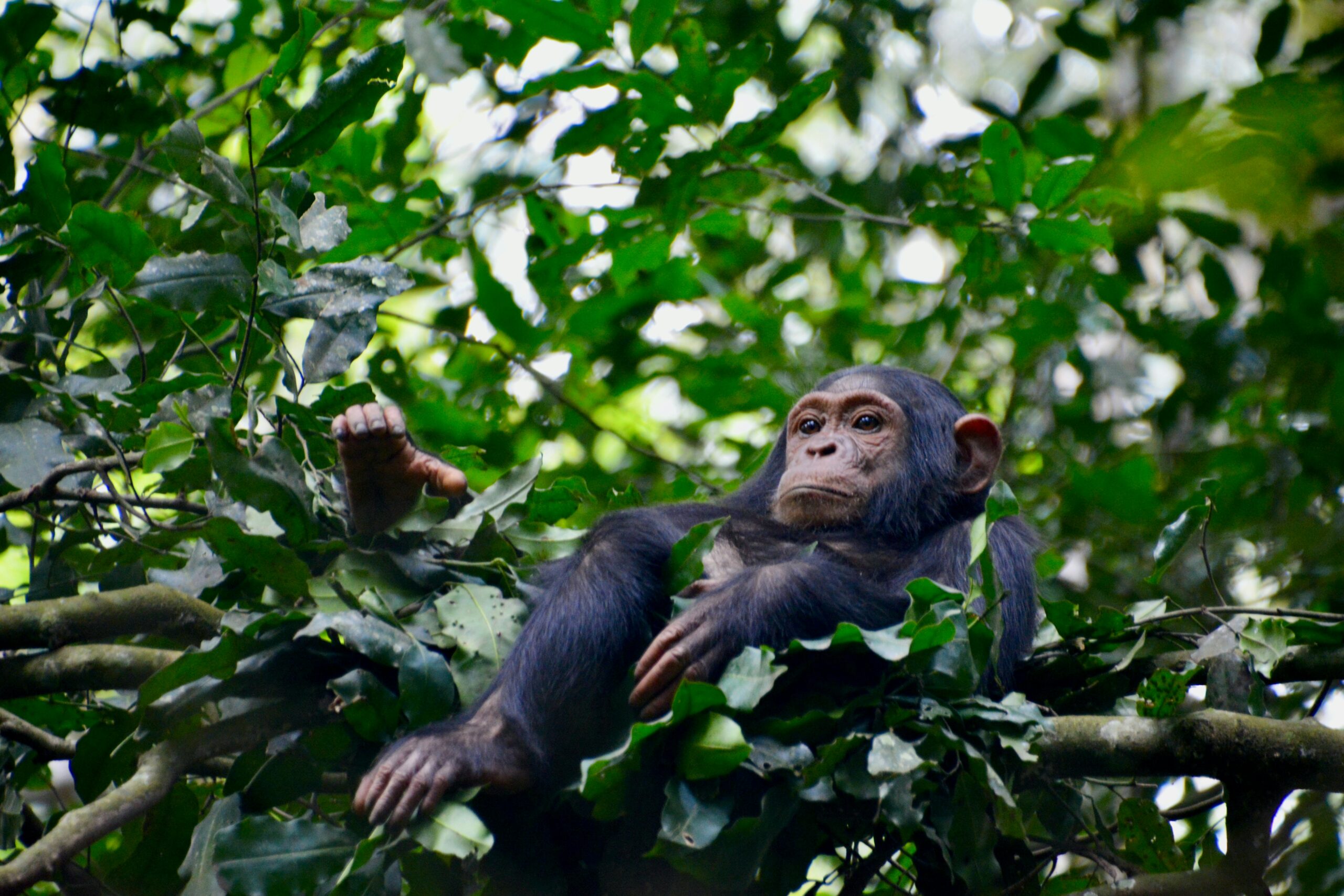
The experience of trekking through Kibale National Park is often exhilarating. Visitors navigate through dense understory and towering trees while keeping a keen ear out for chimpanzee calls. The anticipation builds as trekkers search for signs of chimpanzee activity. These signs include: branches shaking, vocalizations in the trees, or nests left behind from overnight resting. When the chimps are located, it is a thrill to observe them in their natural environment. Every moment is an opportunity to learn about their complex social structures and behaviors. From playful antics among the young ones to the social interactions of adult chimpanzees.
The Impact of Chimpanzee Permits on Conservation
The management of chimpanzee permits directly impacts conservation in Kibale National Park.
Revenue Generation: The funds collected from permits contribute significantly to the park’s operational budget. This revenue supports various initiatives, including wildlife protection efforts to combat poaching, community outreach programs to educate locals about conservation, and research initiatives that provide valuable data on chimpanzee behavior and health.
Sustainable Tourism: Sustainable tourism practices are critical for the long-term preservation of Kibale’s ecosystems. The UWA emphasizes responsible tourism to minimize environmental impact and ensure that wildlife habitats remain intact. Permit limitations and controlled access help achieve this goal.
Monitoring and Research Initiatives: Revenue generated from permits facilitates ongoing research programs that monitor chimpanzee populations and study their behavior. Such research is essential for understanding the factors that threaten their survival, including habitat loss and human encroachment.
Community Benefits and Involvement: Local communities around Kibale National Park benefit from tourism related to chimpanzee trekking, as it provides them with several opportunities. Many locals are employed as guides, park rangers, and hospitality staff in nearby lodges. This economic benefit encourages community members to value and protect their natural heritage. Some of the permit revenue is reinvested in community development projects, such as schools, healthcare, and infrastructure. This fosters goodwill and promotes conservation efforts among local populations. Engaging with visitors also allows local communities to share their culture and traditions, enriching the visitor experience while providing an income stream.
Challenges in Conservation and Tourism Management
While the benefits of chimpanzee permits and tourism in Kibale National Park are substantial, there are also challenges that need to be addressed:
Over-tourism: Though the number of visitors is limited, increasing popularity can lead to pressure on the chimpanzee population and their habitat if not managed carefully.
Human-Wildlife Conflict: Encroachment upon chimpanzee habitats for agriculture or settlement can lead to conflicts between local communities and wildlife. Addressing these conflicts through education and support is crucial for conservation.
Disease Transmission: Understanding and mitigating the risks associated with human diseases affecting chimpanzees is vital. Continuous health assessments and visitor education are essential for preventing outbreaks.
Kibale National Park, with its beautiful landscapes and rich biodiversity, remains a vital refuge for chimpanzees and countless other species. The management of chimpanzee permits plays an essential role in balancing tourism with conservation efforts. Through careful planning, community involvement, and responsible tourism practices, Kibale National Park can continue to thrive as a haven for chimpanzees and a significant contributor to regional conservation efforts.
By understanding the importance of chimpanzee permits and the broader context of wildlife tourism. Visitors can appreciate the thrill of seeing chimpanzees in the wild. Additionally, they can appreciate their role in fostering sustainable practices that protect these majestic creatures for generations to come.



Leave A Comment