
The Differences and Similarities between Chimpanzee and Gorilla Trekking in Uganda
The Differences and Similarities between Chimpanzee and Gorilla Trekking in Uganda. Uganda, often referred to as the “Pearl of Africa,” is renowned for its stunning landscapes, rich biodiversity, and diverse cultures. Among its many attractions, primate trekking stands out as one of the most thrilling experiences. Trekking to observe chimpanzees and gorillas in their natural habitats offers unique insights into the lives of these fascinating creatures. While both experiences involve encountering two of our closest relatives in the animal kingdom, they differ in many respects. This article explores the similarities and differences between chimpanzee and gorilla trekking in Uganda.
Overview of Chimpanzees and Gorillas
Chimpanzees
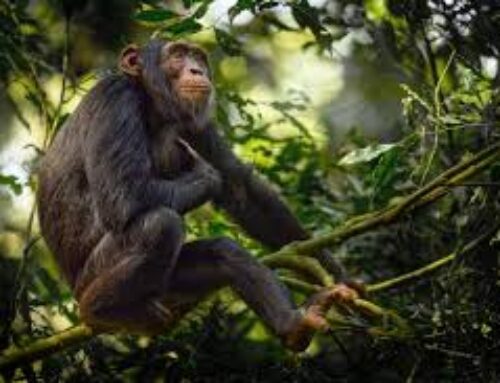
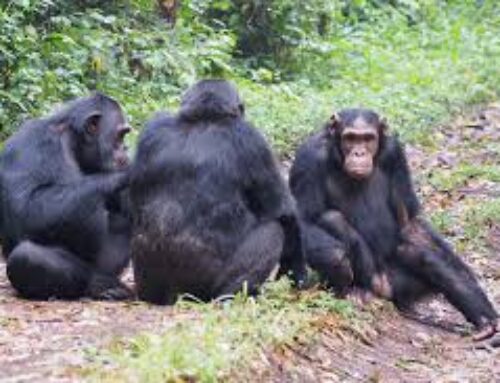
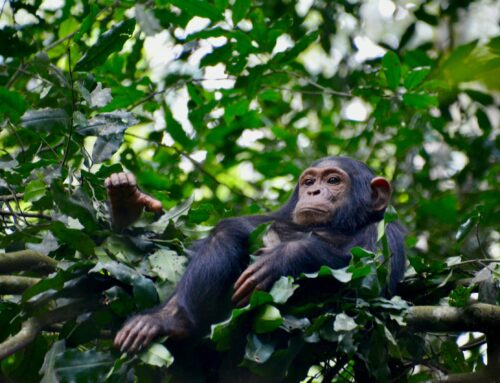
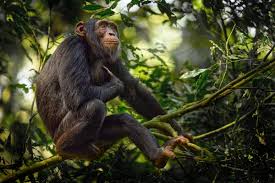
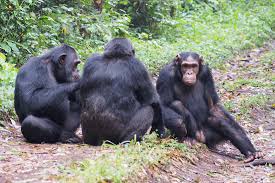
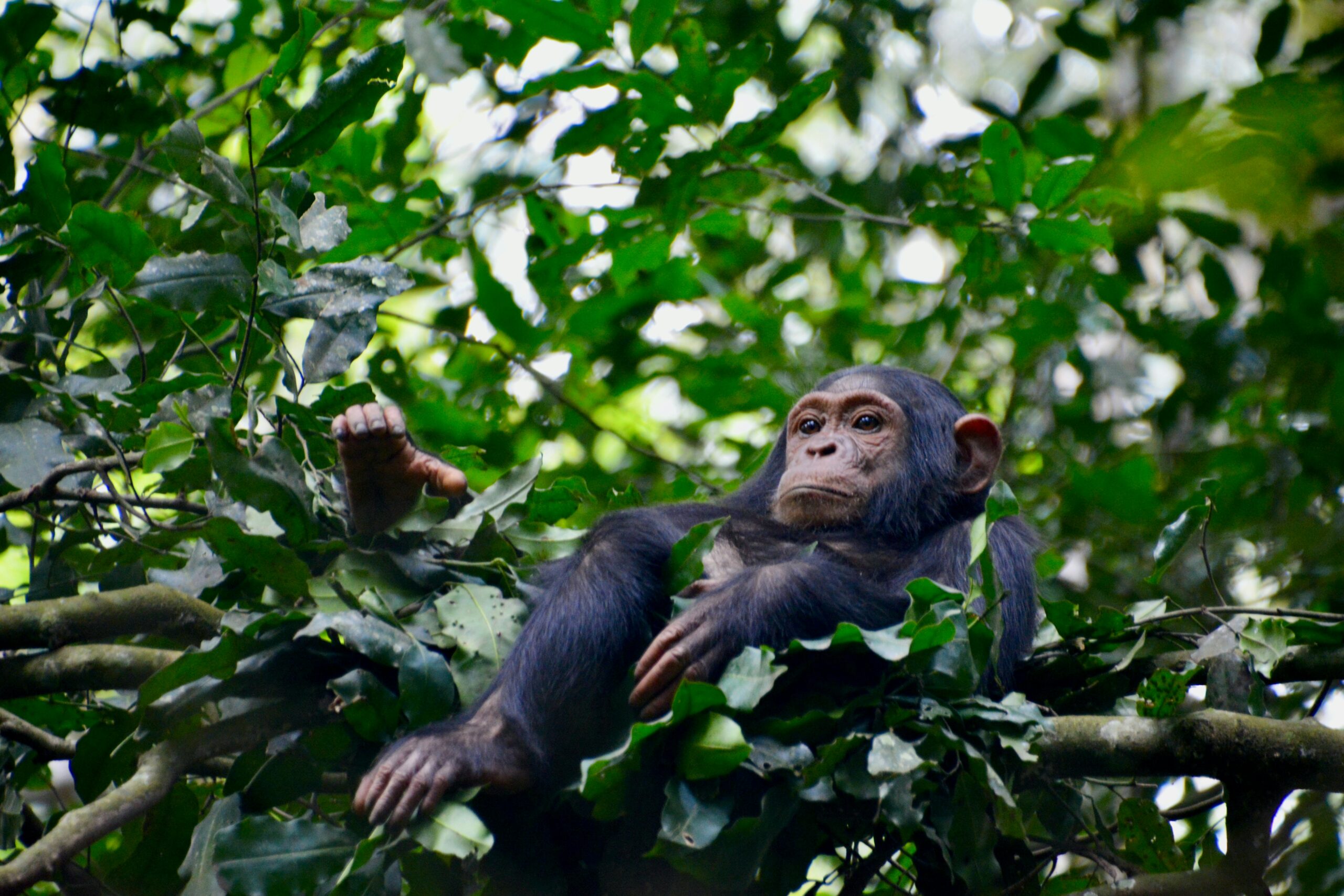
Chimpanzees (Pan troglodytes) are one of humanity’s closest relatives, sharing about 98% of our DNA. Found primarily in tropical forests and savannah woodlands across West and Central Africa, they live in social communities called troops. Each troop can number from 20 to over 100 individuals. Known for their intelligence, chimpanzees exhibit complex behaviors, including tool use, social grooming, and intricate communication.
Gorillas
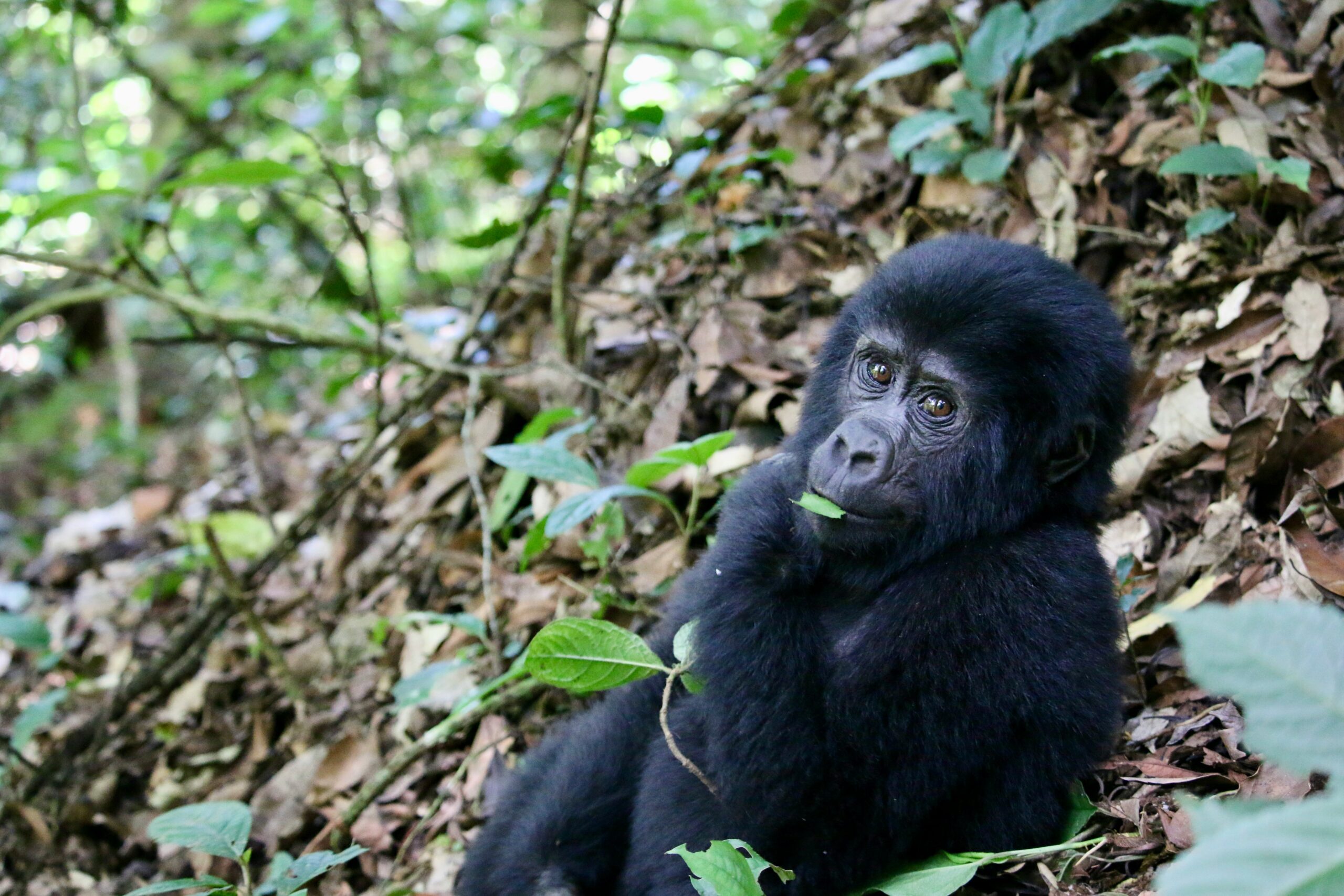
Gorillas, specifically the Eastern Gorilla (Gorilla beringei), which includes the mountain gorilla, are the largest living primates. They inhabit the forests of Central Africa, with the majority of the world’s mountain gorillas residing in the Virunga Mountains, which straddle the borders of Uganda, Rwanda, and the Democratic Republic of Congo. Gorillas are predominantly herbivorous, consuming a diet rich in leaves, stems, and fruit. They live in groups led by a dominant male, known as a silverback, which is responsible for the safety and well-being of the troop.
Similarities Between Chimpanzee and Gorilla Trekking
Despite their differences, both chimpanzee and gorilla trekking in Uganda share several similarities:
Ecotourism and Conservation
Both chimpanzee and gorilla trekking are key components of Uganda’s ecotourism strategy. The revenue generated from trekking permits directly supports conservation efforts, research, and community engagement programs. This sustainability model helps protect the habitats of both primates and promotes the well-being of local communities.
Guided Tours
Both experiences involve guided treks through lush rainforests, led by knowledgeable guides who are trained in wildlife conservation and behavior. These guides determine the best routes to locate the primates, share insights about their behaviors, and emphasize the importance of conservation.
Connection to Nature
Both trekking experiences foster a deep connection to nature and provide an opportunity for visitors to witness wildlife in its natural habitat. Trekking allows tourists to appreciate the biodiversity of Uganda’s forests while gaining a better understanding of the ecological roles that chimpanzees and gorillas play in their ecosystems.
Health and Safety Protocols
Due to the close genetic relationship between humans and these primates, both chimpanzee and gorilla trekking require tourists to adhere to strict health guidelines. This includes limiting physical contact, wearing face masks, and following specific distance rules to minimize the risk of disease transmission between humans and primates.
Differences Between Chimpanzee and Gorilla Trekking
While similarities exist, the differences between chimpanzee and gorilla trekking are pronounced in several areas:
Locations
Chimpanzee trekking primarily takes place in several national parks, including Kibale National Park, Budongo Forest, and the Kyambura Gorge, all located in western Uganda. Kibale is renowned for its large population of chimpanzees, making it a prime location for this activity.
On the other hand, Gorilla trekking occurs in a few specific areas, with Bwindi Impenetrable National Park and Mgahinga Gorilla National Park being the most famous. Bwindi is home to nearly half of the world’s mountain gorilla population, making it a sought-after destination for gorilla enthusiasts.
Trekking Difficulty
Trekking for chimpanzees may involve varying levels of difficulty, depending on the location and the specific trail taken. The treks can last anywhere from 1 to 5 hours, with steeper hills and occasionally muddy terrain. While it can be physically demanding, the treks are often more accessible to a wide range of physical abilities.
On the other hand, Gorilla trekking is generally recognized as more strenuous due to the dense forest, steep slopes, and potential for longer hikes, often exceeding several hours. Participants may need to navigate deeper into the forest to locate the gorillas. Tours are designed for those with a reasonable level of fitness as the treks can be physically challenging.
Cost of Trekking Permits
The cost of trekking permits for chimpanzees is generally lower than that of gorillas. Prices can vary depending on the park and the specific services provided, but they typically range from $100 to $250 per person.
On the other hand, Gorilla trekking permits are more expensive, reflecting the conservation efforts and the limited number of gorillas available for viewing. As of recent years, permits can cost $800 or more per person, reflecting the exclusivity and demand for this experience.
Visitor Experience
The chimpanzee trekking experience focuses on observing social interactions, behavior, and grooming within a troop. Visitors often get to see them foraging and displaying their intelligence, which adds a unique layer of fascination to the experience.
In contrast, gorilla trekking tends to emphasize the sight of these majestic giants in their natural habitat. Guests are often captivated by the sheer size and strength of the gorillas, particularly the silverbacks, making for a powerful encounter.
Final Thoughts: Choosing Your Trekking Experience
While both chimpanzee and gorilla trekking are unforgettable experiences, the choice between them depends on a visitor’s interests, physical abilities, and budget. Chimpanzee trekking offers a more relaxed experience with vibrant social interactions among the chimps, while gorilla trekking presents the awe of witnessing the largest primates on Earth, deep within Uganda’s stunning jungle landscapes.
Ultimately, both trekking experiences contribute to the conservation of these amazing animals, ensuring the survival of not just chimpanzees and gorillas but also the ecosystems in which they thrive. Regardless of your choice, trekking in Uganda promises adventure, insight, and a greater appreciation for the magnificent diversity of life that our planet holds. Whether you find yourself captivated by the playful antics of chimpanzees or mesmerized by the strength of gorillas, trekking in Uganda offers an opportunity for connection with some of the wild’s most extraordinary inhabitants.

Leave A Comment