Combining Kibale and Queen Elizabeth National Parks
Did you know you can combine Kibale and Queen Elizabeth National Parks in one safari? Uganda, often referred to as the “Pearl of Africa,” is renowned for its breathtaking landscapes and rich biodiversity. Among its numerous attractions, Kibale National Park and Queen Elizabeth National Park stand out as two of the most prominent safari destinations. Each park offers unique wildlife experiences, making a combined safari an excellent way for travelers to immerse themselves in Uganda’s natural wonders. In this article, we will explore the highlights of both parks, provide tips for combining safaris, and discuss the importance of sustainable tourism in the region.
Kibale National Park
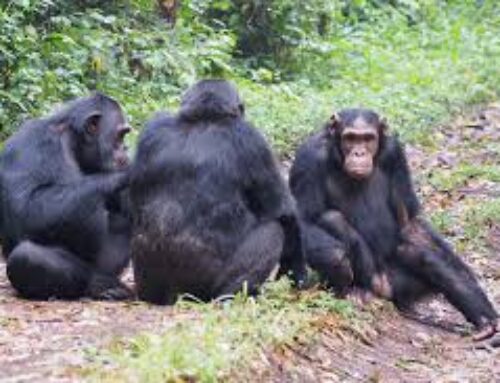
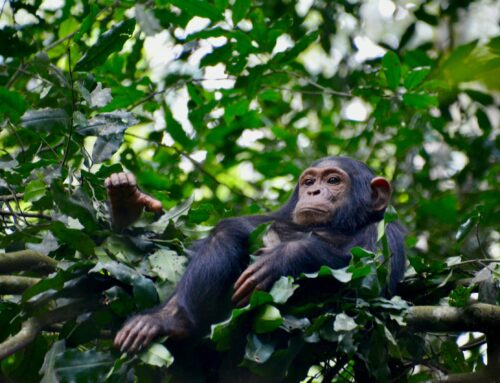
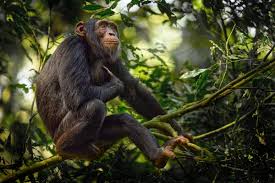
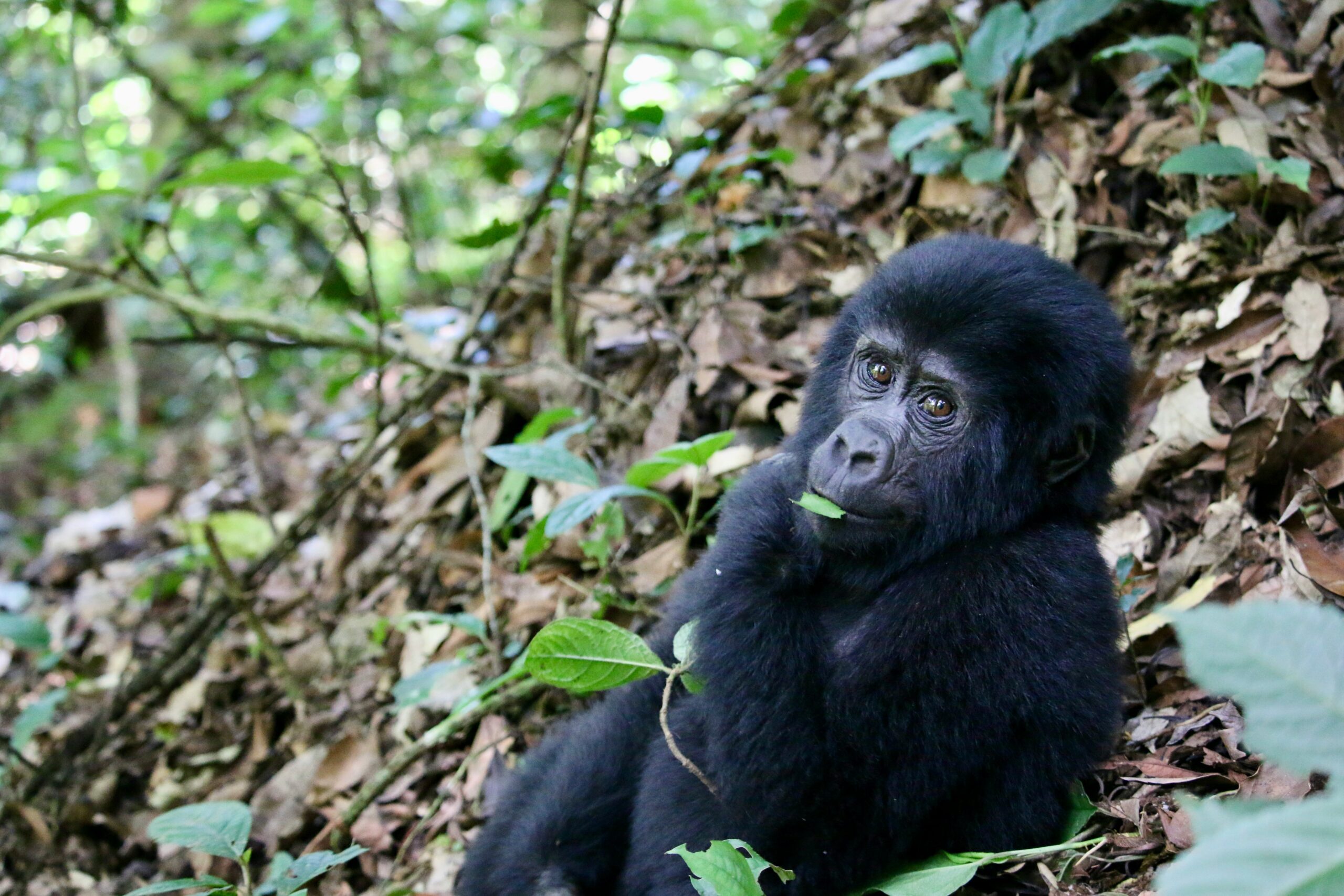
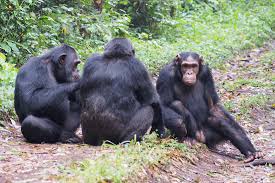
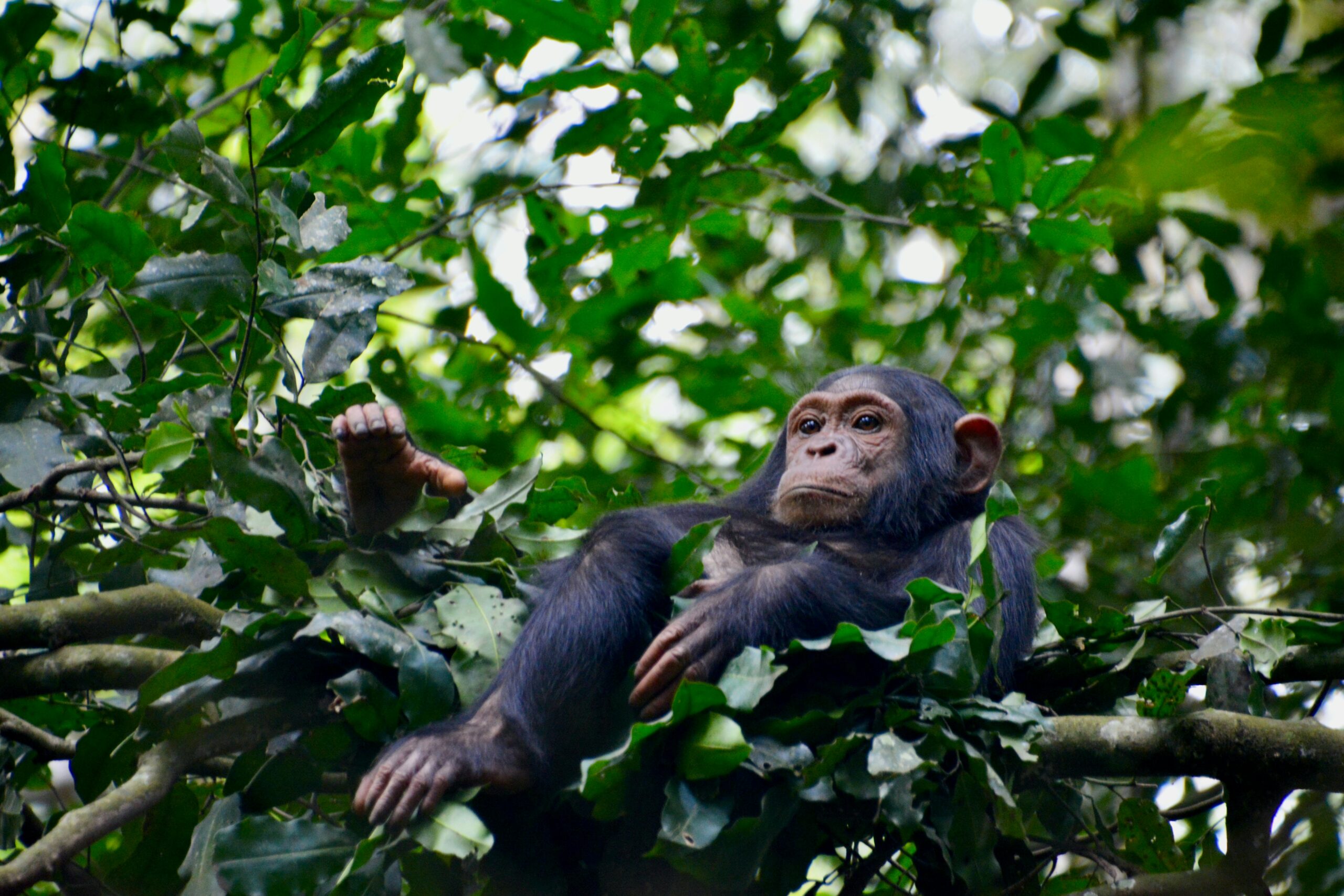
Kibale National Park, located in western Uganda, spans over 766 square kilometers and is celebrated for its diverse ecosystems, including lush rainforests, grasslands, and wetlands. The park is particularly famous for its population of chimpanzees, one of the largest in Africa, boasting around 1,500 individuals. Besides chimpanzees, Kibale is home to a variety of other primates, including red-tailed monkeys, L’Hoest’s monkeys, and Uganda mangabeys, making it a prime location for primate enthusiasts.
With over 350 recorded bird species, Kibale is a must-visit for birdwatchers. The park hosts colorful species such as the African Green Broadbill, Great Blue Turaco, and Black-crowned Tchagra. The diverse habitats enhance birdwatching opportunities, as various birds occupy distinct ecological niches.
What to do in Kibale National Park
Visitors to Kibale can engage in several activities, including:
Chimpanzee Trekking: This guided experience allows travelers to trek into the forest to observe chimpanzees in their natural habitat.
Nature Walks: Safe, guided walks offer opportunities to explore the lush forests and appreciate the diverse flora and fauna.
Birdwatching Tours: Dedicated birdwatching excursions can be arranged to focus on spotting the park’s unique avian species.
Queen Elizabeth National Park
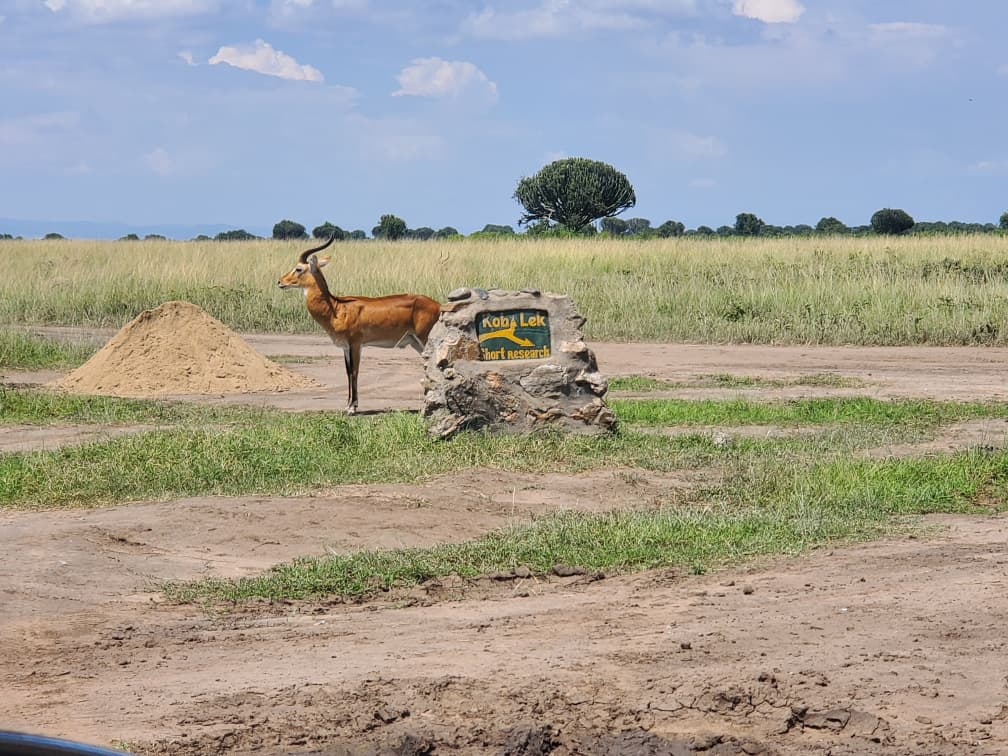
Queen Elizabeth National Park, established in 1952, covers approximately 1,978 square kilometers and showcases a wide range of ecosystems, including savanna, wetlands, and forests. This ecological diversity supports a rich variety of wildlife, making it one of Uganda’s most popular safari destinations. The park is famous for its vast populations of elephants, buffaloes, and hippos, as well as predators like lions and leopards.
One of the park’s distinctive features is its volcanic crater lakes scattered across the expansive savanna. Lakes such as Lake Katwe offer stunning views and opportunities for birdwatching, with several migratory and resident species residing in the area.
Activities in Queen Elizabeth
Visitors to Queen Elizabeth National Park can enjoy a range of activities, including:
Game Drives: Cruise through the park’s diverse habitats to see wildlife, including elephants, lions, and a host of antelope species.
Boat Safaris: A boat cruise along the Kazinga Channel allows visitors to observe hippos, crocodiles, and birdlife up close.
Tree-Climbing Lions: In the Ishasha sector, visitors may witness the unique behavior of tree-climbing lions (an experience that is particularly memorable).
The Benefits of Combining Kibale and Queen Elizabeth Safaris
Diverse Wildlife Experiences: Combining visits to Kibale and Queen Elizabeth National Parks provides travelers with a comprehensive wildlife experience. Guests can observe both primate species, such as chimpanzees, and a variety of large mammals in their natural habitats. This combination allows for a broader understanding of Uganda’s ecosystems.
Scenic Variability: Travelers will enjoy transitioning from dense rainforests in Kibale to open savanna and wetlands in Queen Elizabeth Park. This diverse scenery offers plenty of stunning landscapes for photography and reflection.
Flexibility in Itinerary: Combining the two parks allows for flexible itineraries. Visitors might choose to take part in activities like chimpanzee trekking in Kibale and game drives or boat safaris in Queen Elizabeth, tailoring their experience to specific interests.
Cultural Engagement: Traveling between the two parks also offers the opportunity to engage with local communities. Visitors can explore cultural experiences that deepen their understanding of Uganda’s rich heritage and traditions, enhancing their overall safari experience.
Logistics of Combining Safaris: Planning a combined safari to Kibale and Queen Elizabeth National Parks involves several logistical considerations:
Travel Time and Distance: The two parks are approximately 150 kilometers apart, with a travel time of around 3-4 hours by road. Many safari operators offer package itineraries that include transportation between the two parks, making travel convenient.
Accommodation Options: Both parks offer various accommodation options, ranging from budget lodges to luxury tented camps. It is essential to book accommodation in advance, especially during peak tourist seasons, to ensure availability. Staying near park entrances also maximizes time spent on activities.
What is the best time to visit the two parks?
The dry seasons, from December to February and June to September, are generally considered the best for wildlife viewing, as animals are more active and easier to spot. The wet seasons, while beautiful, can lead to muddy roads and less wildlife visibility, although they are ideal for birdwatching due to the influx of migratory species.
How about you combine a safari to Kibale and Queen Elizabeth National Parks now?
Combining Kibale and Queen Elizabeth National Parks offers an enriching safari experience that highlights the best of Uganda’s wildlife and natural beauty. With diverse ecosystems, abundant wildlife, and the opportunity for cultural engagement, this dual-park itinerary is a perfect way to explore the wonders of the “Pearl of Africa.”
Travelers can immerse themselves in unforgettable experiences, from tracking chimpanzees in dense rainforests to watching elephants roam across savanna landscapes, all while contributing to sustainable tourism and conservation efforts. By planning thoughtfully and engaging with local communities, visitors can ensure their safari adventure is not only memorable but also supportive of the incredible wildlife and ecosystems that make Uganda one of the world’s most fascinating destinations.


Leave A Comment