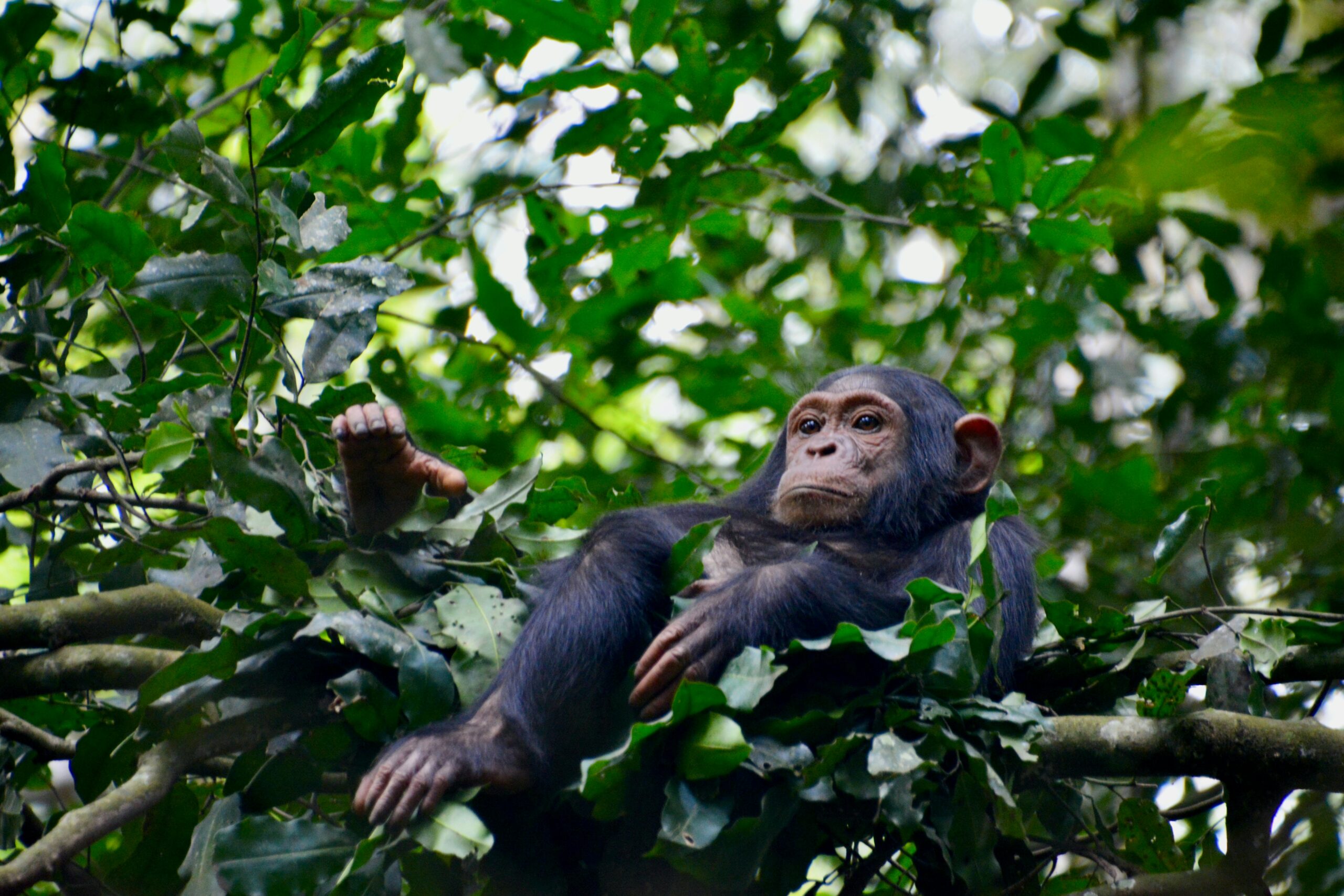
Is Chimpanzee Trekking in Kibale Worth It?
Are you planning a chimpanzee trekking safari and wondering whether it is worth doing in Kibale National Park? Kibale National Park, situated in western Uganda, is a pristine rainforest teeming with wildlife, including one of the largest populations of chimpanzees. The park spans over 766 square kilometers and offers a unique biodiversity that attracts tourists from around the world. Among the highlights of a visit to Kibale is chimpanzee trekking. It is a once-in-a-lifetime experience that many travelers ponder: is it truly worth it? In this article, we will explore the benefits, experiences, and unique aspects of chimpanzee trekking in Kibale National Park.
Understanding Chimpanzee Trekking
Chimpanzee trekking involves guided walks through the dense rainforest with the primary goal of finding and observing chimpanzees in their natural habitat. This activity typically lasts between 2 to 5 hours, depending on where the chimpanzees are located and how quickly they can be tracked. The experience becomes not only about seeing these remarkable primates but understanding their behavior, social dynamics, and the ecosystem they inhabit.
The Unique Experience of Observing Chimpanzees
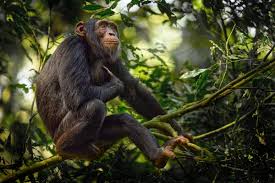
Chimpanzees share approximately 98% of their DNA with humans, making them our closest living relatives. Observing these intelligent creatures communicates a deep connection to our evolutionary past. Trekking through Kibale allows you to witness:
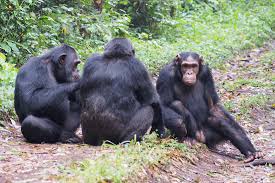
Social Interactions: Watching chimps engage in grooming, feeding, and playing provides insight into their complex social structures. The way they interact mirrors many human behaviors, fostering a profound appreciation for their sentience.
Vocalizations: Chimpanzees are known for their vocal prowess. They emit a variety of calls that convey information about their environment and convey emotions. Listening to their calls during your trek is an unforgettable experience.
Nesting and Feeding Habits: You may encounter nests where chimps sleep at night or see them foraging for fruit. Understanding their dietary habits enhances your appreciation of their role in the ecosystem.
The Beauty of Kibale National Park
Moreover, Kibale National Park offers more than just chimpanzees. The lush forest is home to various other wildlife species, including:
Birds: Over 350 different bird species call Kibale home, making it a birdwatcher’s paradise.
Primates: Besides chimps, you can spot other primate species like the red-tailed monkey, grey-cheeked mangabey, and baboons.
Flora: The park boasts more than 200 tree species, many of which are endemic to Uganda, providing stunning views and a rich environment to explore.
The breathtaking landscapes, from the canopy of towering trees to the vibrant undergrowth, make the trek itself worthwhile.
Conservation Awareness and Community Support
Engaging in chimpanzee trekking also supports conservation efforts. Kibale National Park is a critical habitat for chimpanzees, which are endangered due to habitat loss, poaching, and human-wildlife conflict. By participating in trekking, you contribute to:
Wildlife Conservation: Funds generated from trekking permits are used to support park management and protection efforts. This means your visit directly contributes to conserving chimpanzees and their habitat.
Community Initiatives: The local communities around Kibale benefit from eco-tourism. Many initiatives empower locals through education, alternative livelihoods, and support for conservation practices.
The Trek Experience (What to Expect)
Before embarking on a chimpanzee trek, you will undergo a briefing where guides explain the rules to ensure safety and respect for the primates. Here is what a typical trek involves:
Meeting Point: Groups usually meet at the park headquarters in the early morning. The early start increases the chances of seeing the chimps during their most active time.
Guided Walk: Experienced guides lead the trek, often sharing fascinating insights about the flora and fauna, as well as the conservation challenges the park faces.
Tracking: While trekking, you may need to navigate steep, muddy trails, which can be physically demanding. However, the anticipation of spotting a chimpanzee makes every step worthwhile.
Spotting the Chimps: Once the group locates the chimpanzees, visitors are given approximately one hour to observe them. This limited time frame encourages participants to make the most of their encounter.
Challenges and Considerations for Chimpanzee Trekking in Kibale National Park
While chimpanzee trekking is an incredible experience, it is also essential to acknowledge some challenges:
Physical Demands: The trek can be challenging, especially for those who may not be physically fit or used to hiking in rugged terrain. It is advisable to wear appropriate footwear and clothing and be prepared for the weather.
Unpredictability: The time it takes to find chimpanzees can vary greatly. Sometimes, it may take hours to locate them, which can be frustrating for those expecting a quick sighting.
Limited Time: The one-hour time limit to observe the chimps can feel too short, especially when they are particularly active or engaging.
Despite these challenges, many visitors feel the benefits far outweigh the downsides. The chance to observe chimpanzees and appreciate the beauty of Kibale National Park is often labeled as a life-changing experience.
Recommendations for an Ideal Trekking Experience in Kibale
To make the most out of your chimpanzee trekking adventure in Kibale, consider the following tips:
Book in Advance: Trekking permits can sell out quickly, especially during peak seasons. Secure your permit ahead of time to avoid disappointment.
Choose a Reliable Tour Operator: Opt for reputable tour companies that prioritize ethical and sustainable tourism practices. Guides should be knowledgeable about the ecosystem and committed to conservation.
Be Prepared: Dress appropriately for the weather and terrain. Wear sturdy hiking boots, and consider bringing a rain jacket and insect repellent.
Stay Patient: Chimpanzees are wild animals, and their behavior can be unpredictable. Embrace the journey itself, knowing that each trek contributes to wildlife conservation.
Combine Activities: Kibale has a rich array of activities beyond chimpanzee trekking. Consider engaging in a swamp walk, birding, or even a visit to local communities to diversify your experience.
In summary, chimpanzee trekking in Kibale National Park is more than just a tourist activity. It is an opportunity to connect with wildlife, support conservation, and explore one of Africa’s remarkable ecosystems. Those who embark on this journey often leave with a sense of wonder and a deeper appreciation for nature and the preservation of wildlife.
If you are considering a trip to Uganda, adding chimpanzee trekking in Kibale to your itinerary is undoubtedly worth your time and investment. Whether you are an avid nature lover, a conservation enthusiast, or simply seeking unique experiences, Kibale offers an unforgettable adventure in the heart of Africa.


Leave A Comment